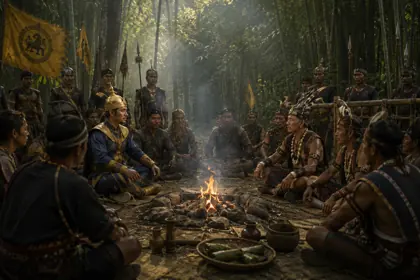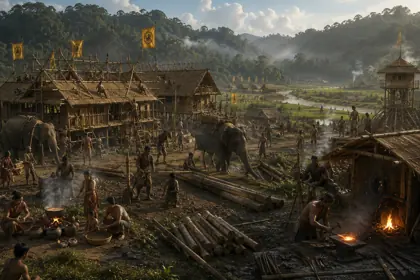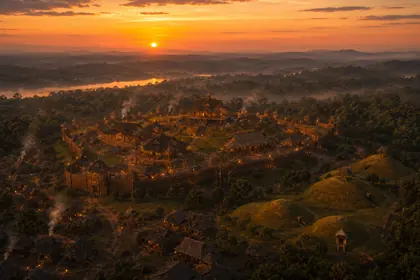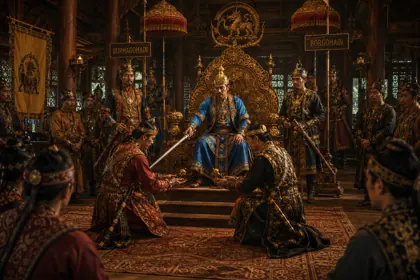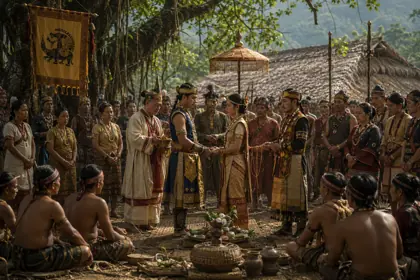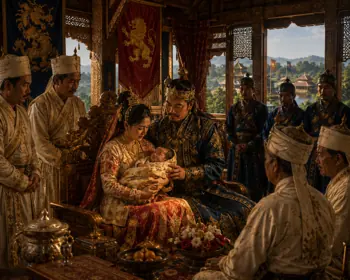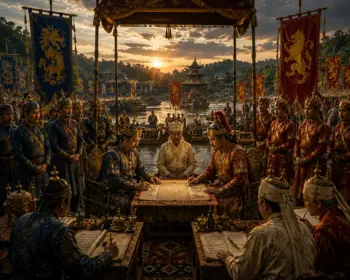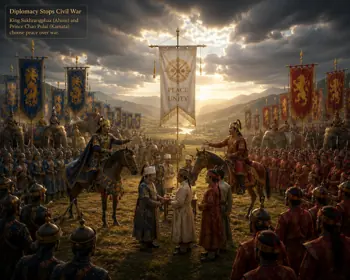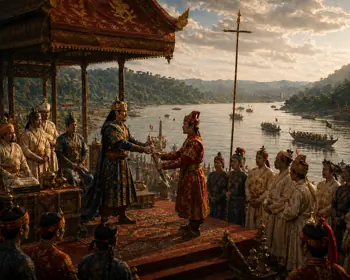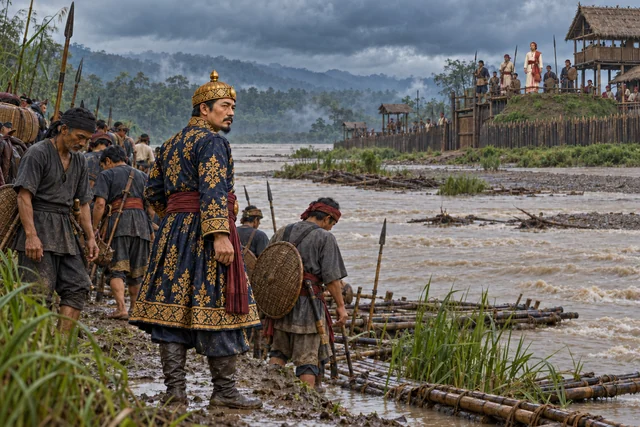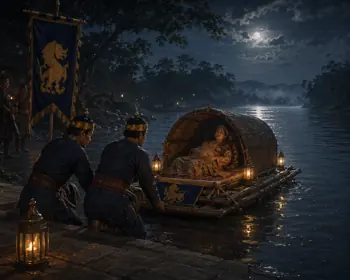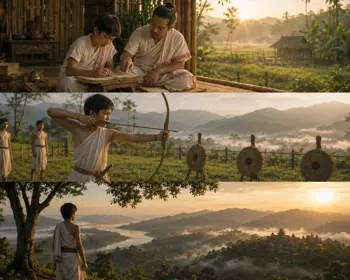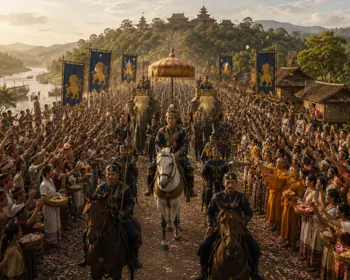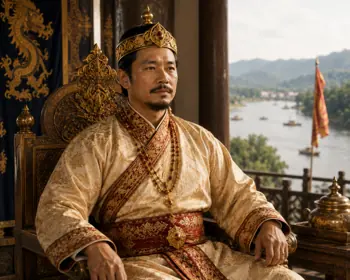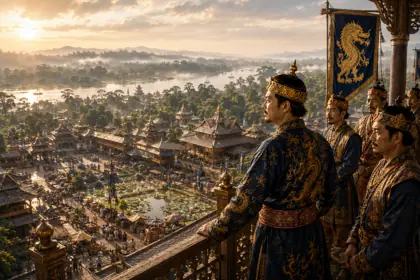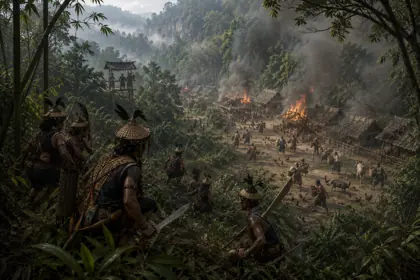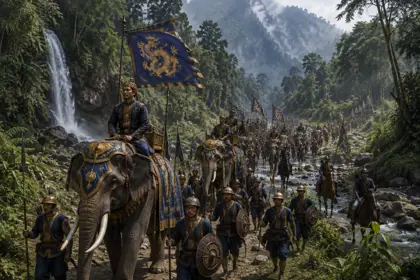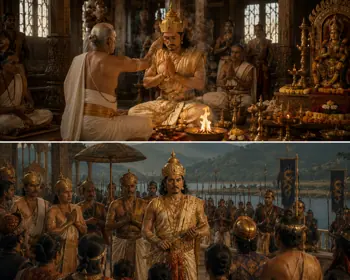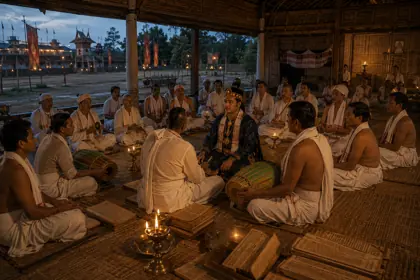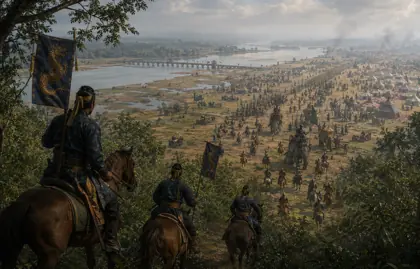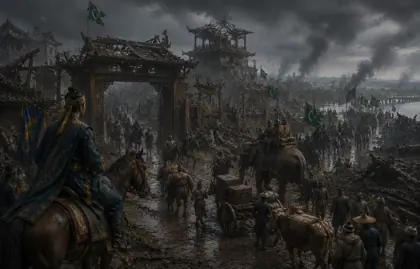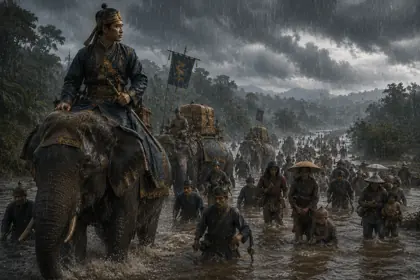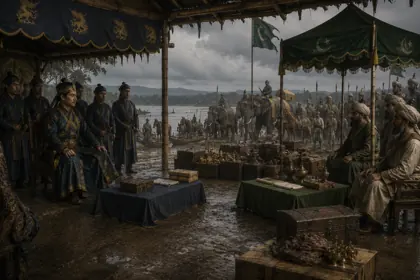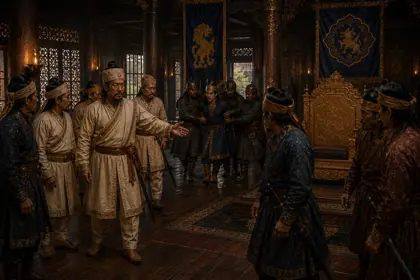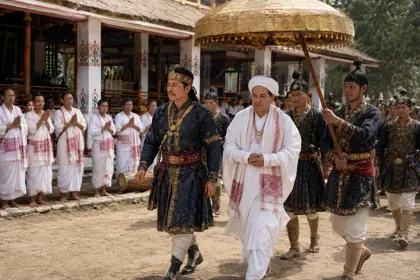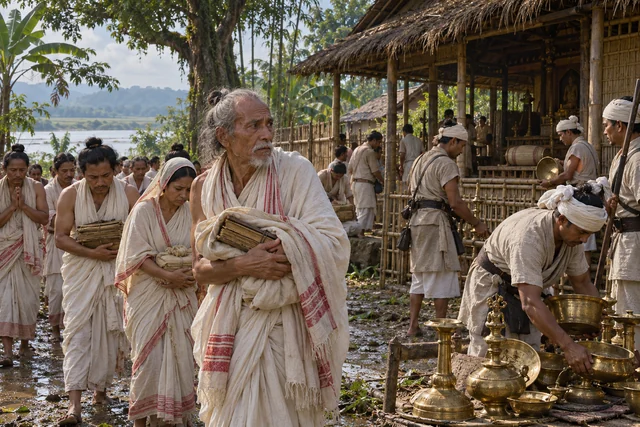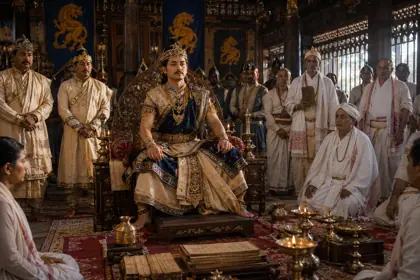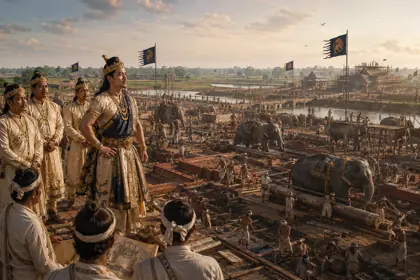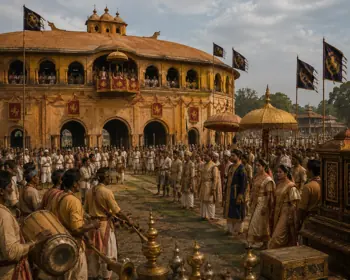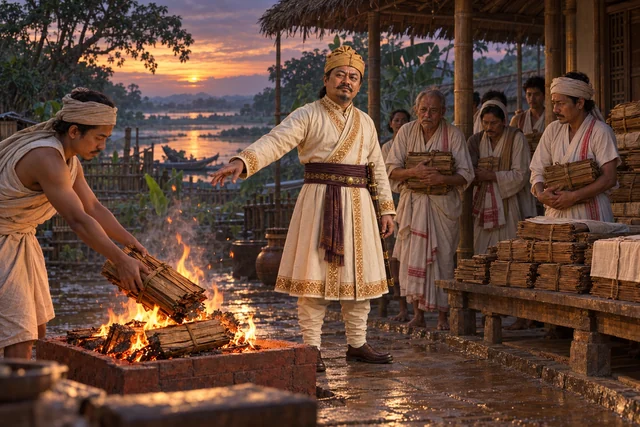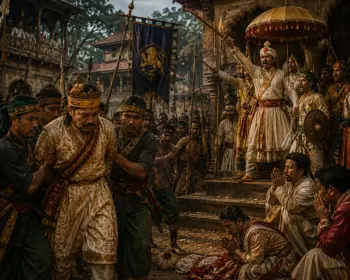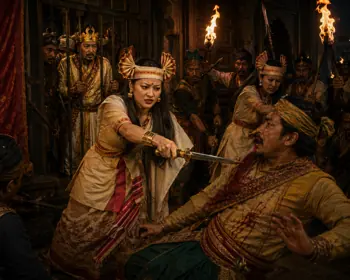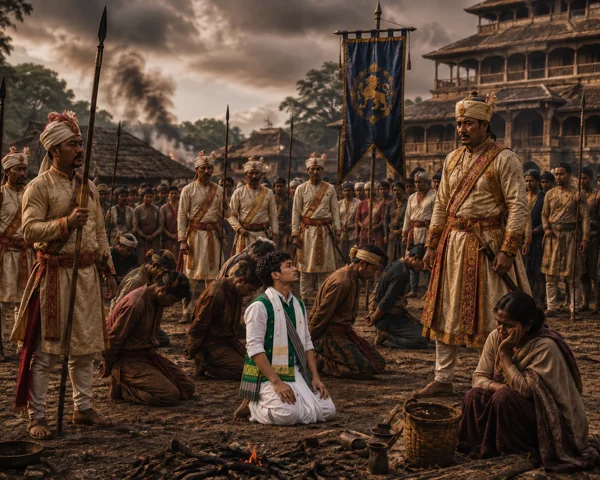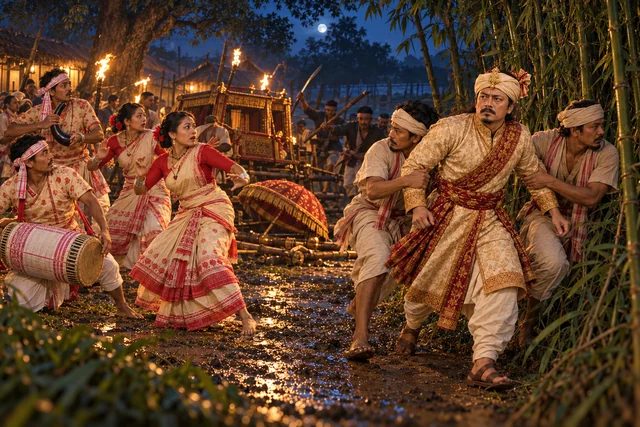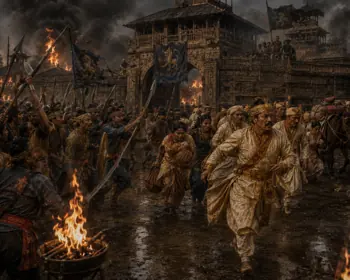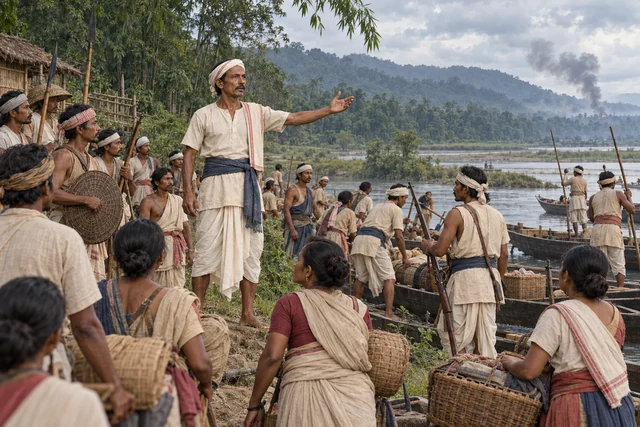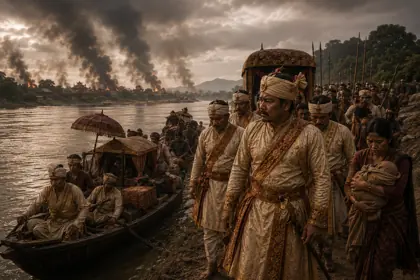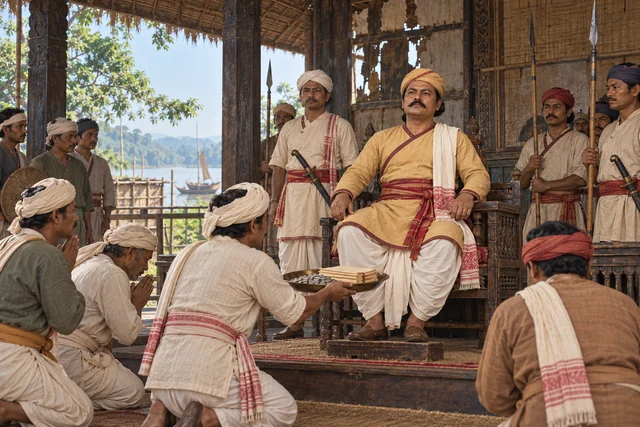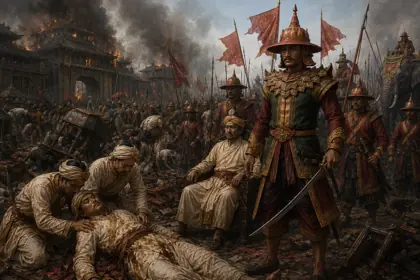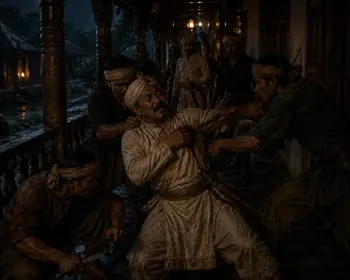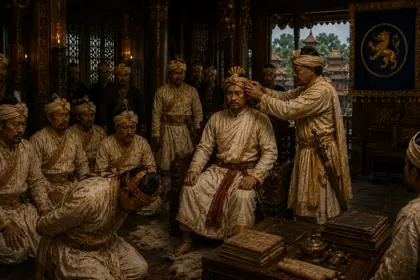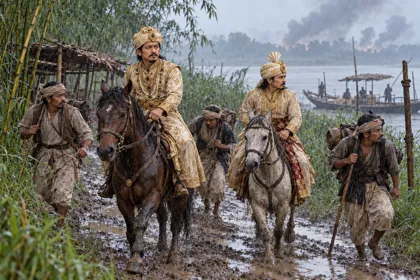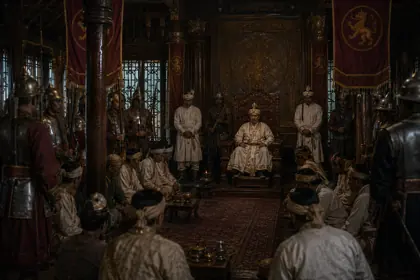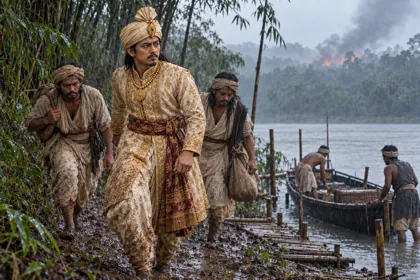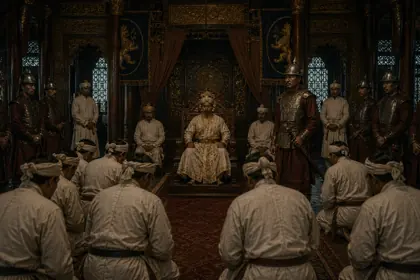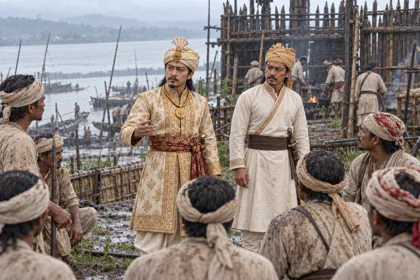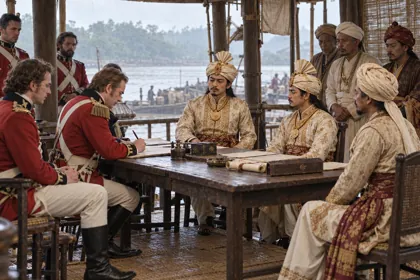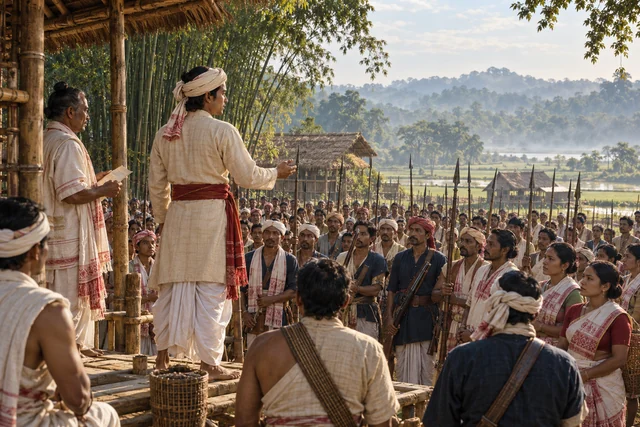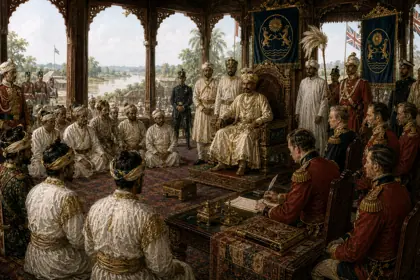
1215–1228
Illustrated Ahom history
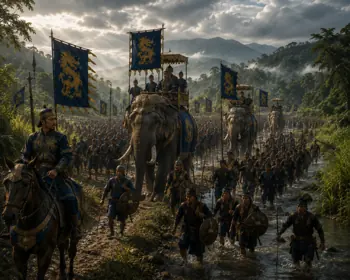
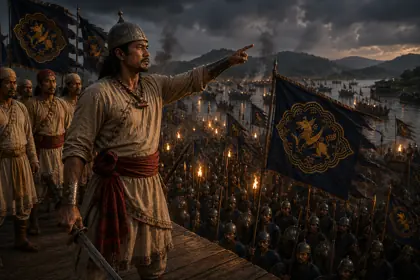
1228
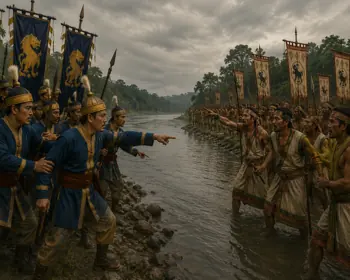
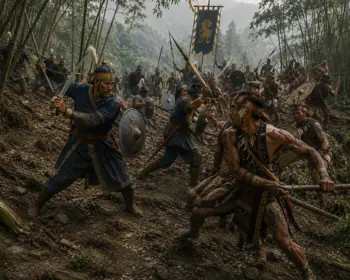
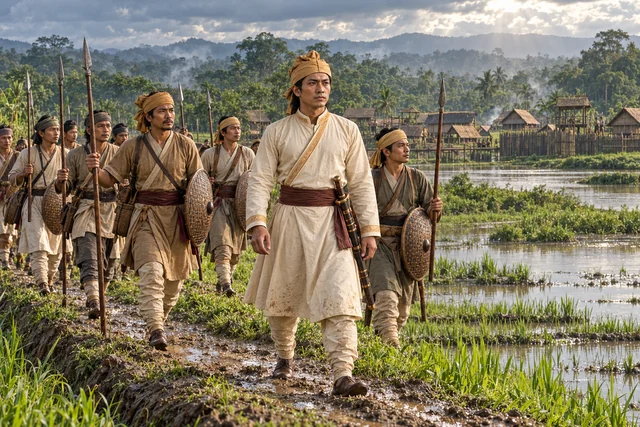
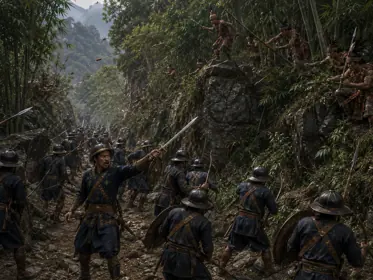
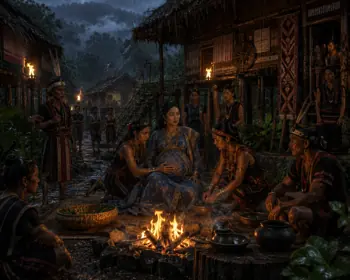
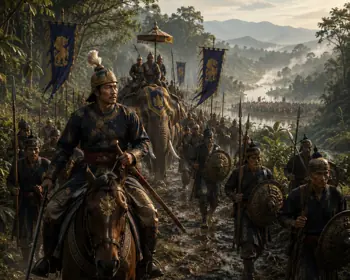
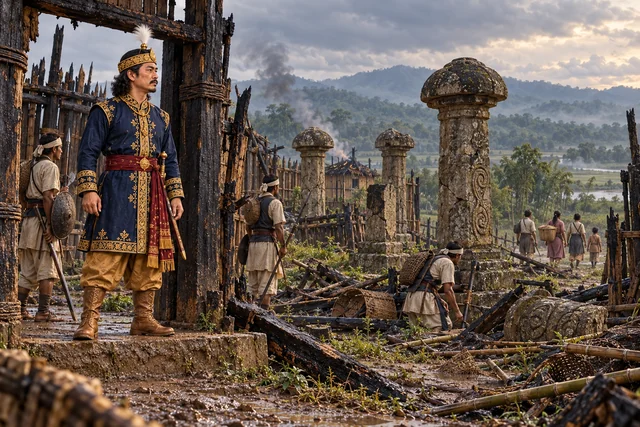
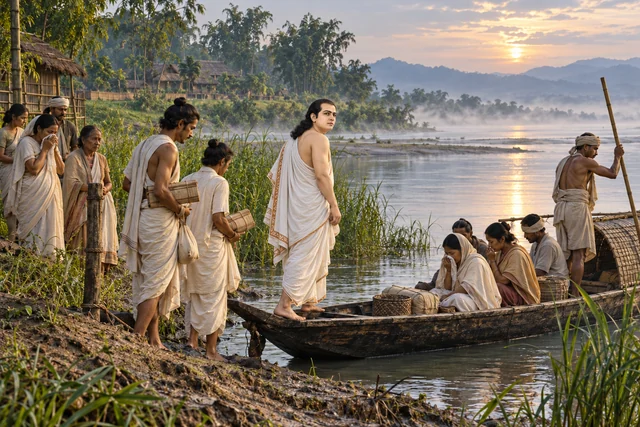
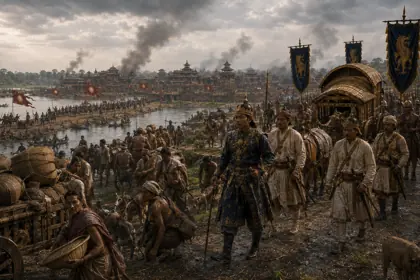
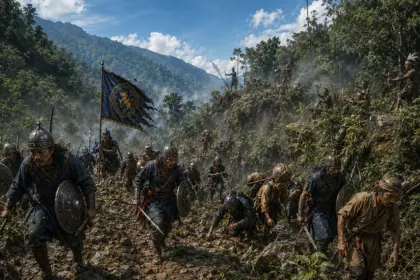
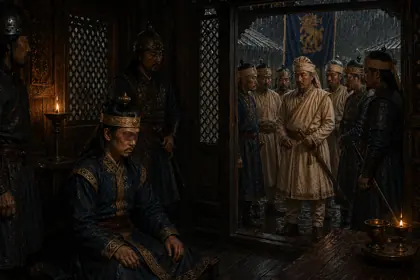
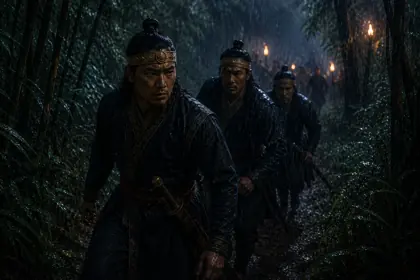
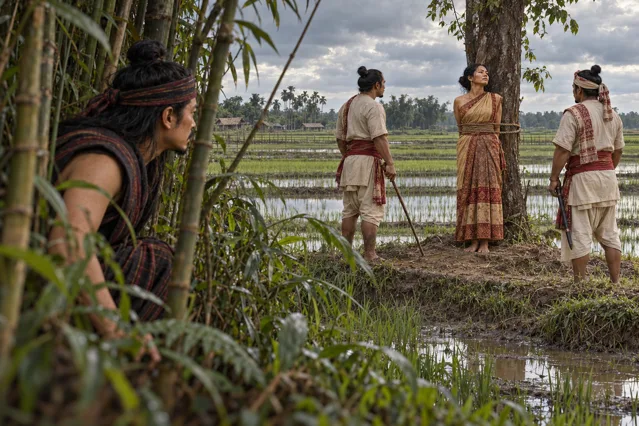
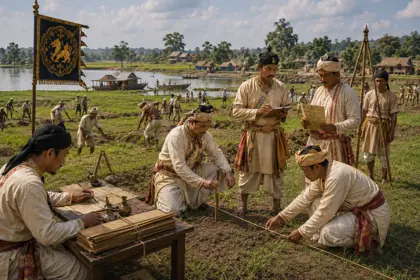
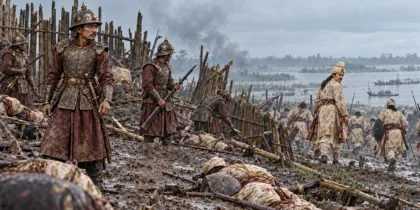
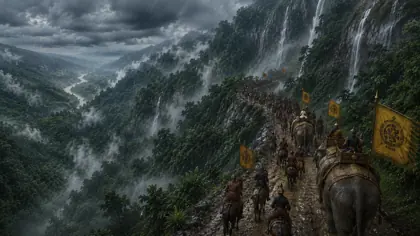
Crossing the Patkai Hills
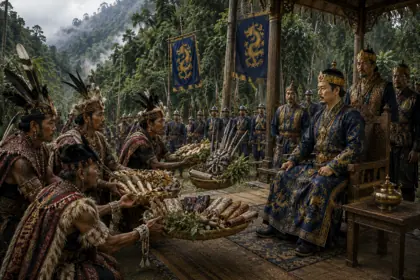
1228–1230
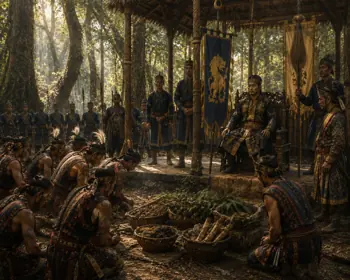
Negotiation and Settlement with Naga Chiefs
1228
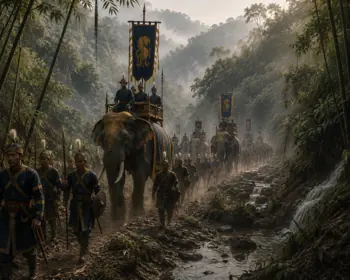
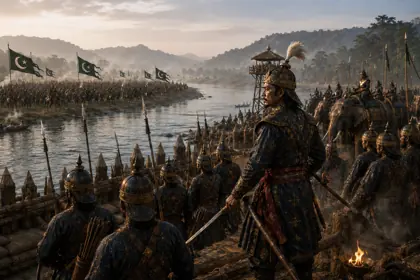
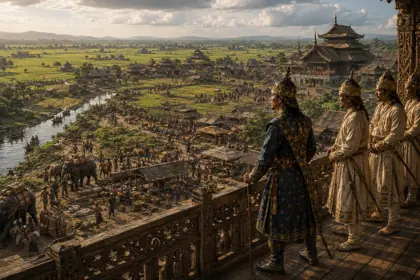
First View of the Brahmaputra Valley
1228
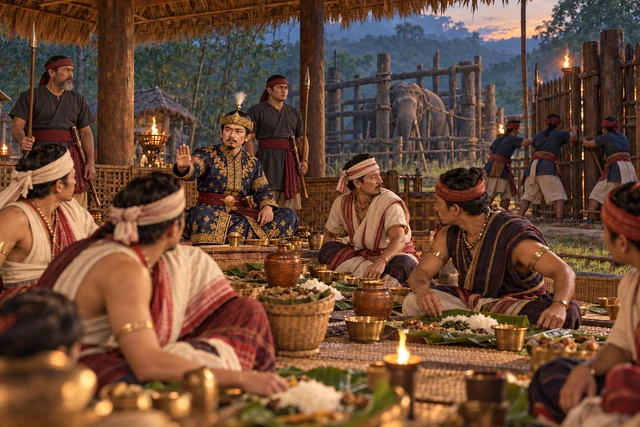
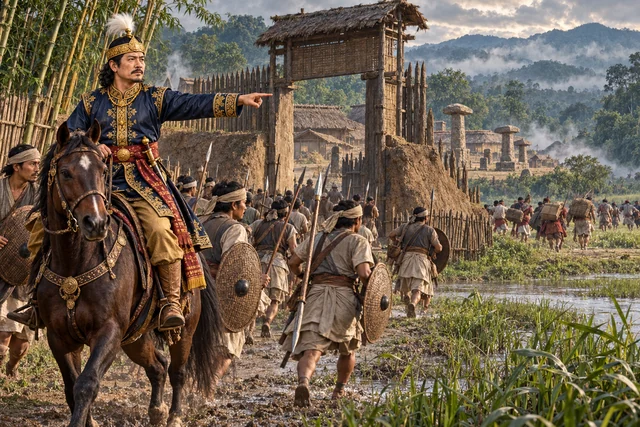
Sukaphaa Enters the Assam Valley
1228–1235
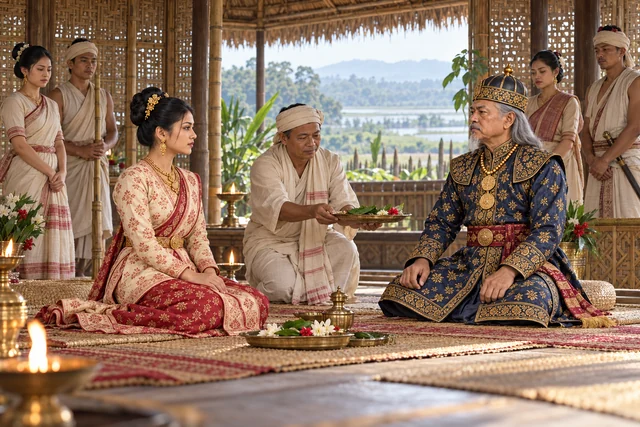
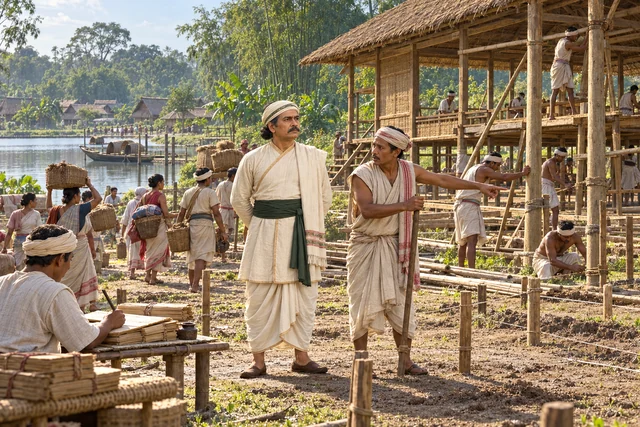
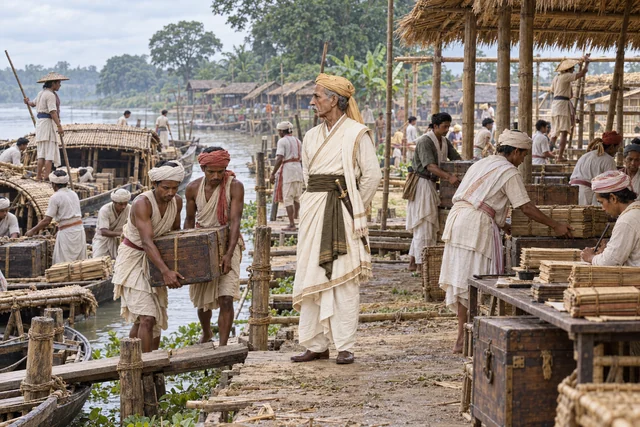
Establishment of the First Tai Settlements
c. 1260s
The Sacred Promontory of Charaideo
c. 1230–1253
Institution of the Supreme Offices of Burhagohain and Borgohain
1235–1240
Matrimonial Alliances with Borahi and Moran Rulers
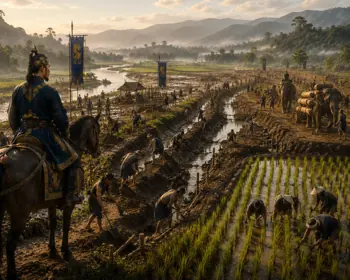
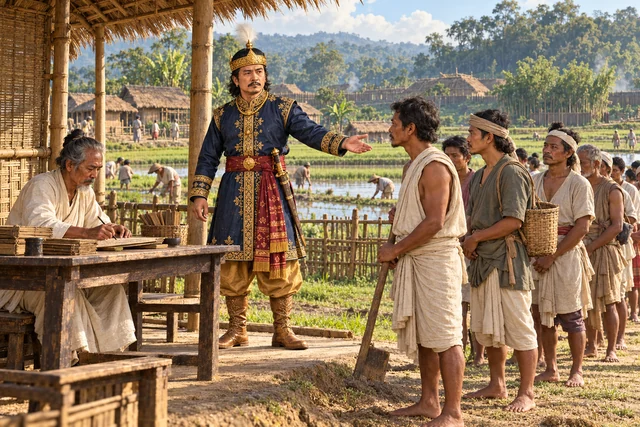
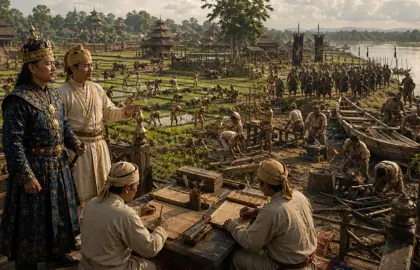
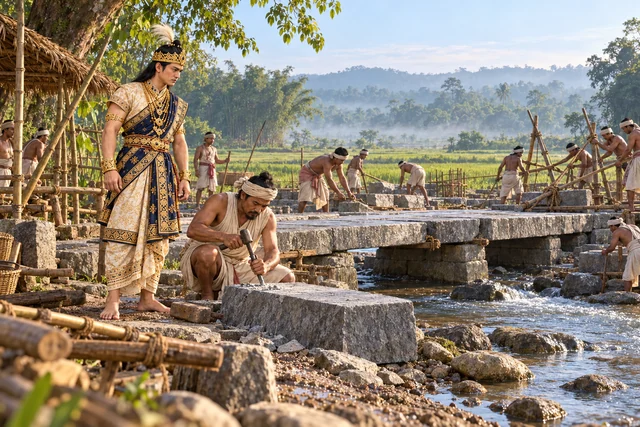
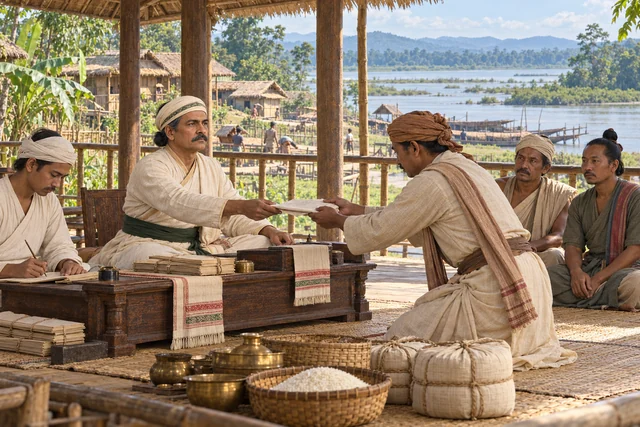
c. 1240–1250
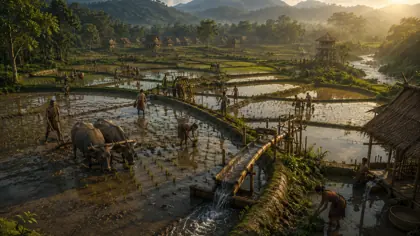
Introduction of Advanced Wet-Rice Cultivation (Sali Kheti)
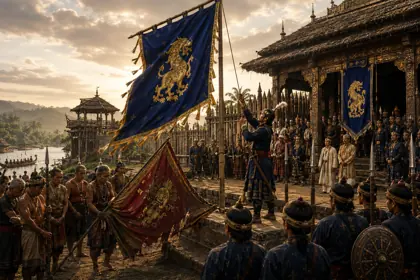
1253
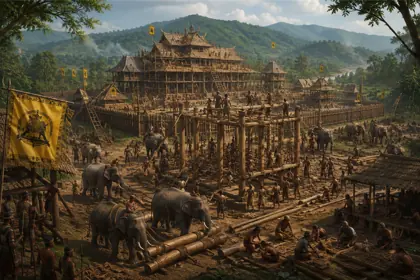
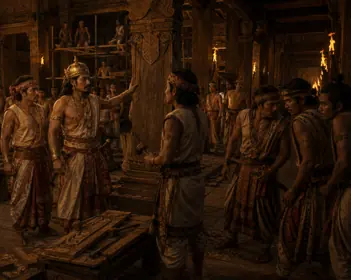
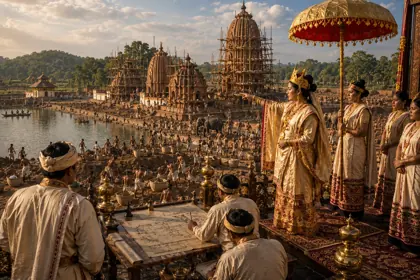
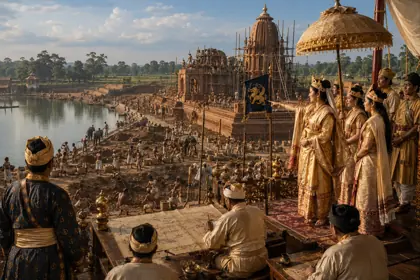
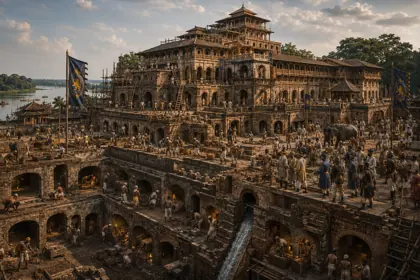
Founding and Construction of the Sacred Capital at Charaideo
c. 1253–1268
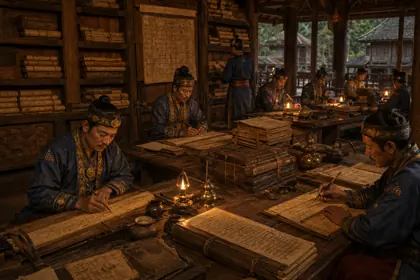
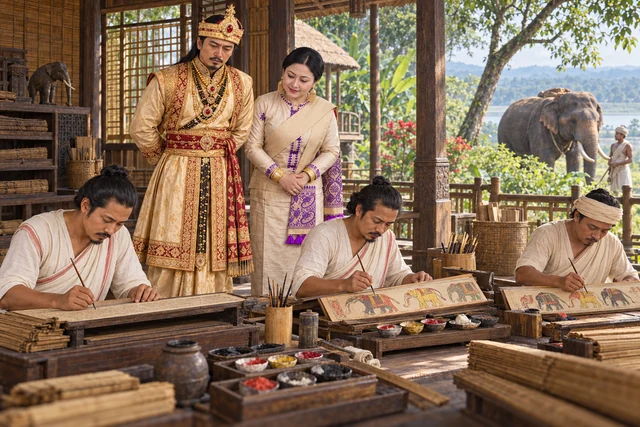
Writing of the First Ahom Buranji (Royal Chronicles)
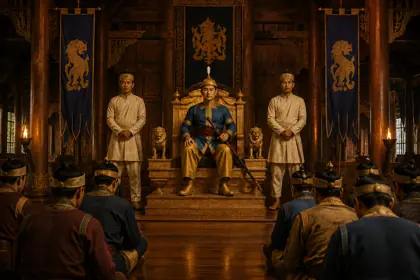
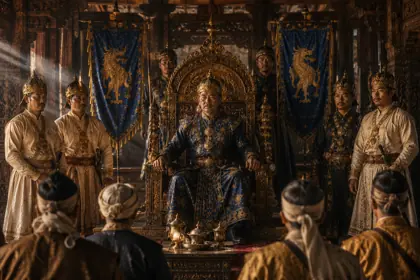
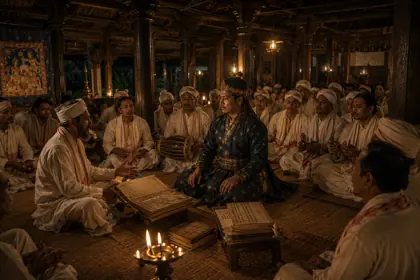
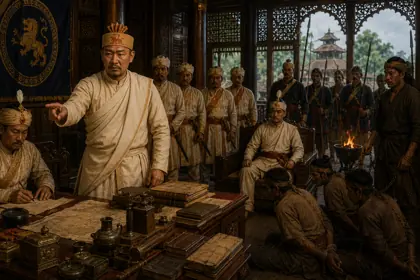
c. 1255
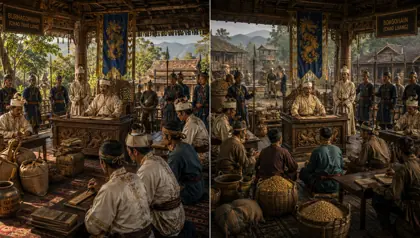
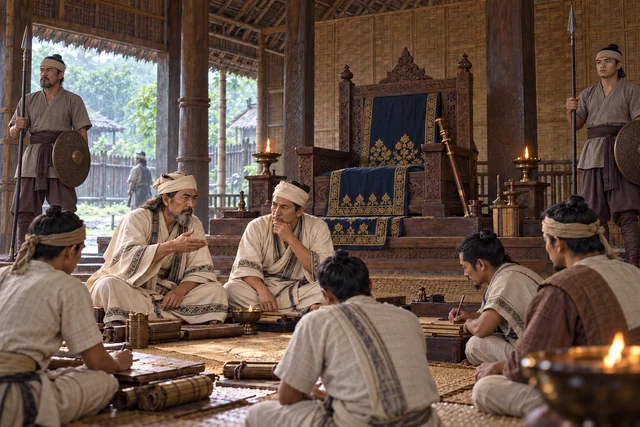
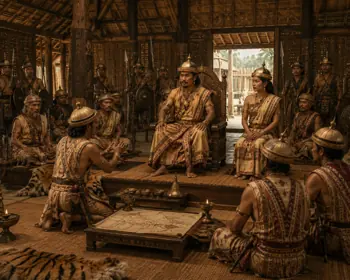
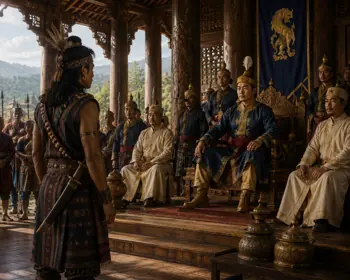
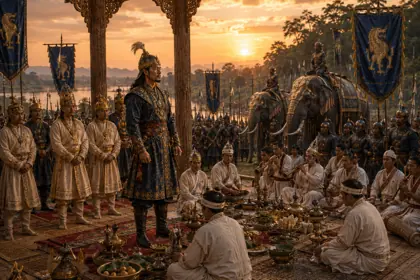
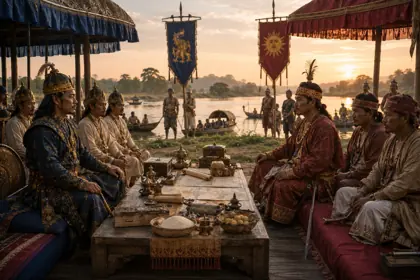
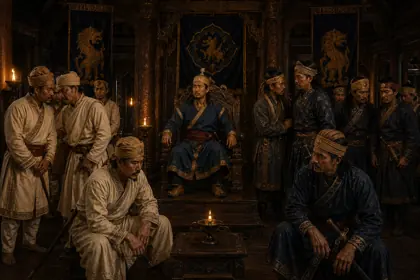
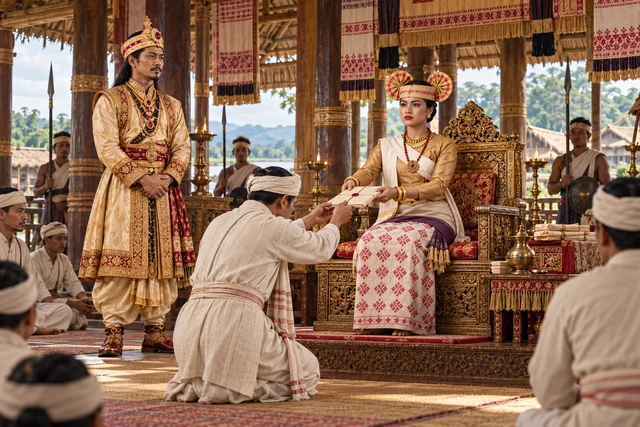
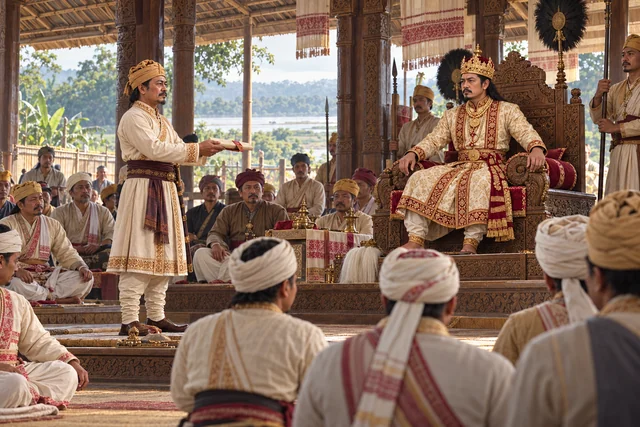
The Royal Court of Sukaphaa
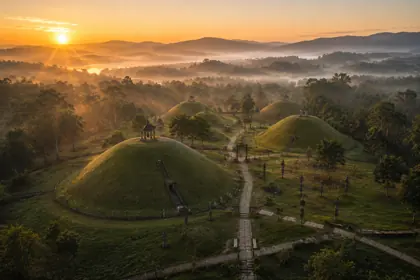
1268 onwards
Institution of Royal Moidams (Pyramidal Earth Tumuli)
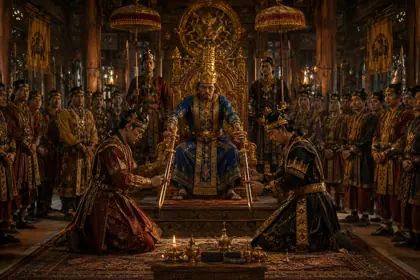
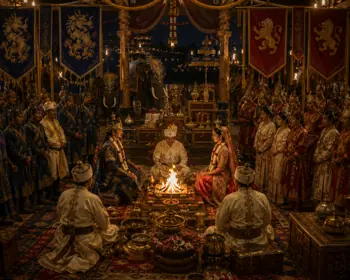
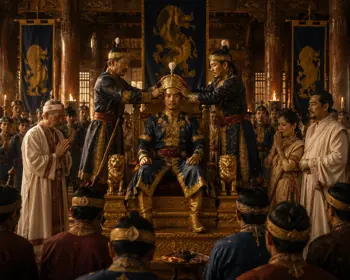
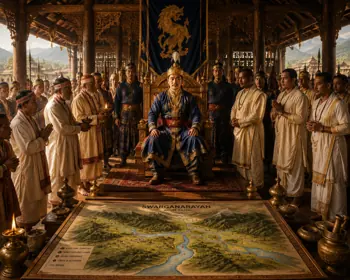
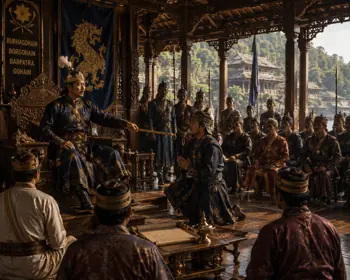
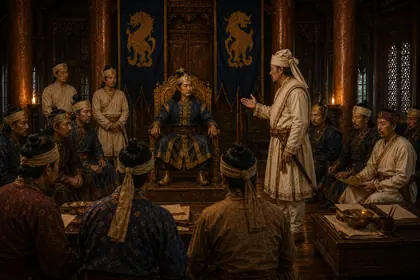
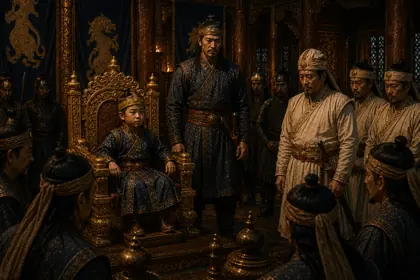
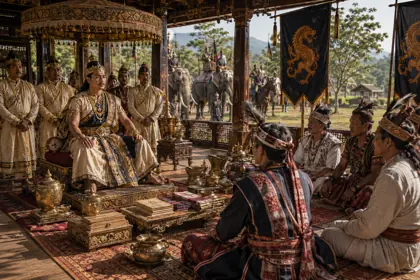
1268
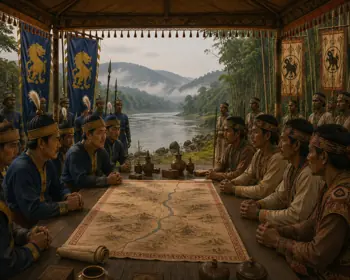
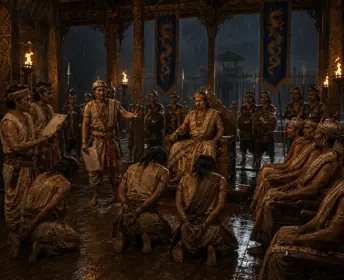
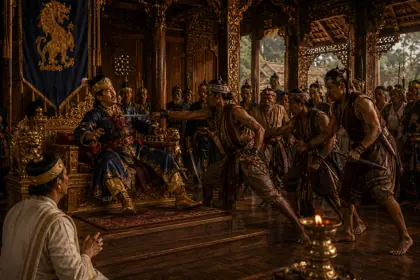
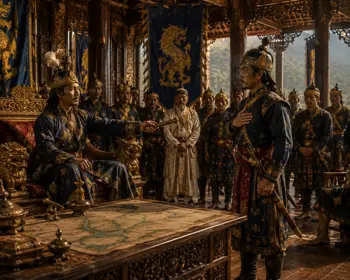
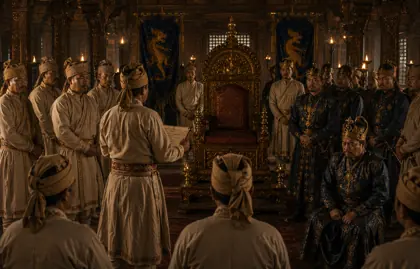
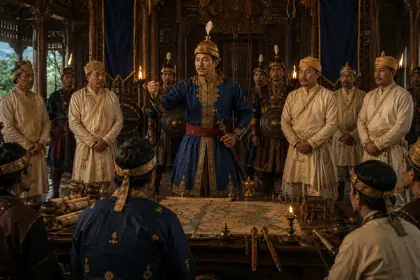
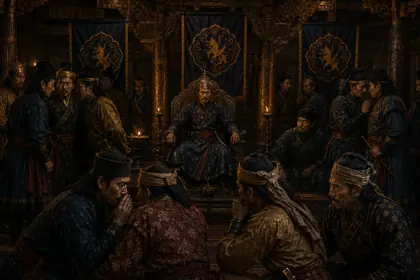
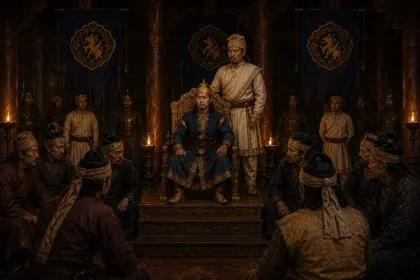
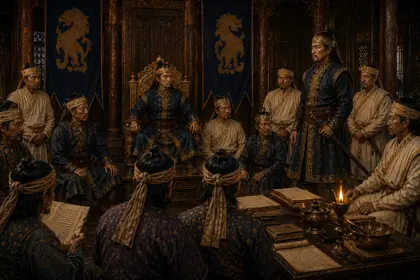
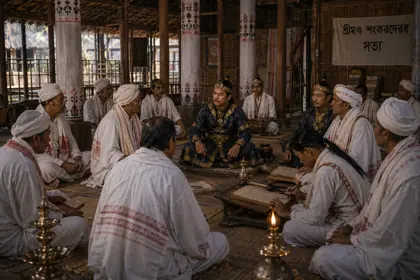
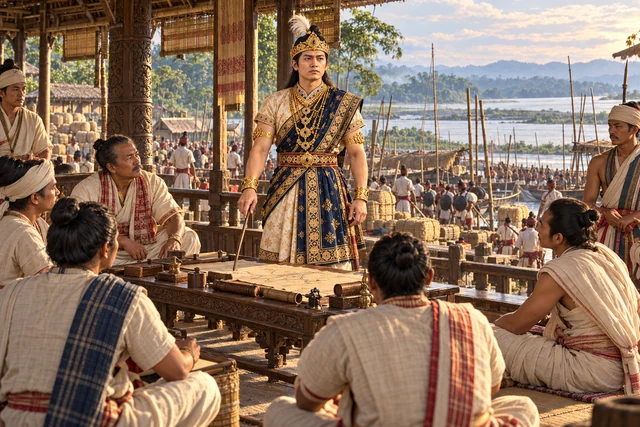
Accession and Court Assembly of Suteuphaa
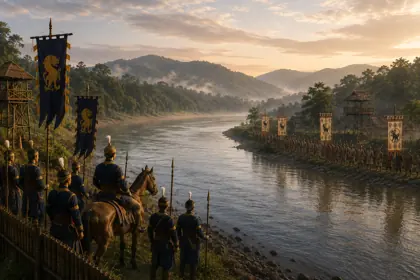
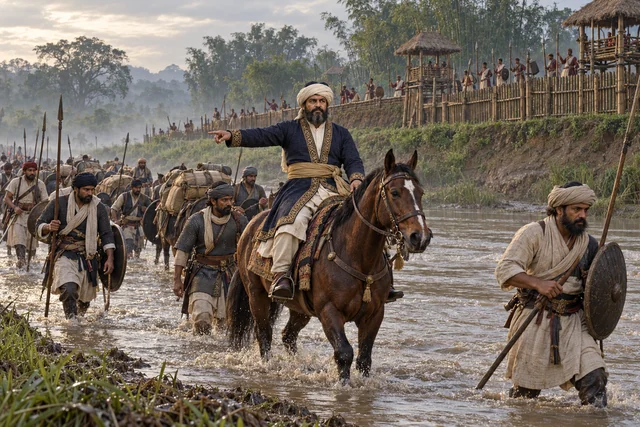
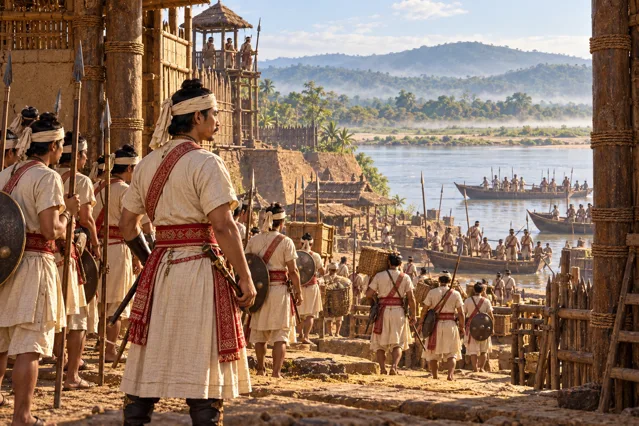
c. 1270
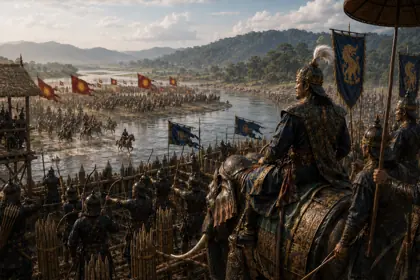
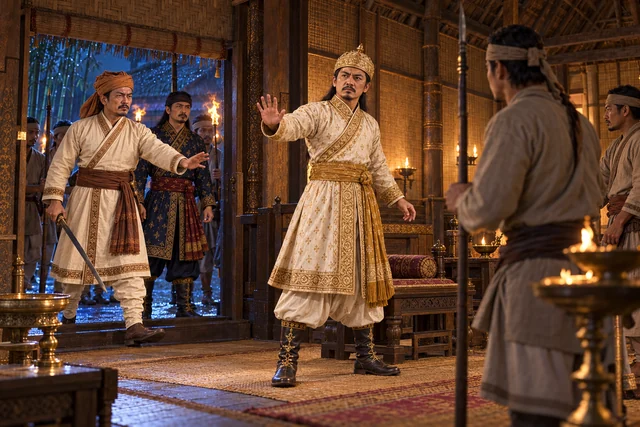
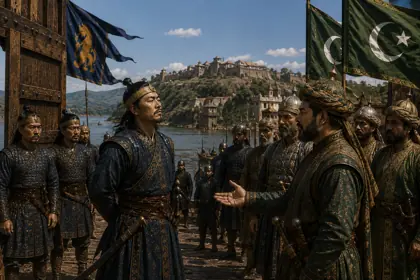
Frontier Standoff on the Dikhou River
c. 1272
Skirmishes on the Ahom-Kachari Frontier
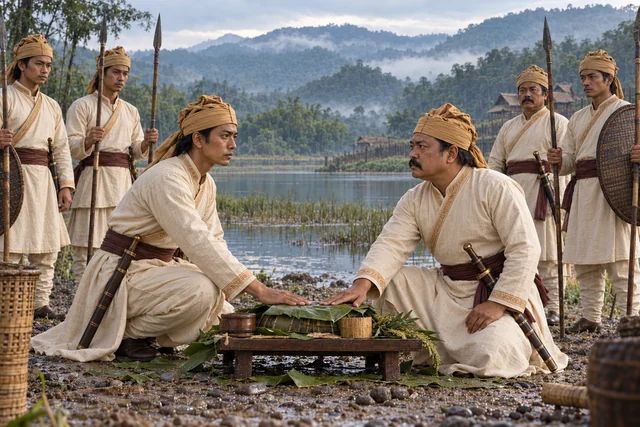
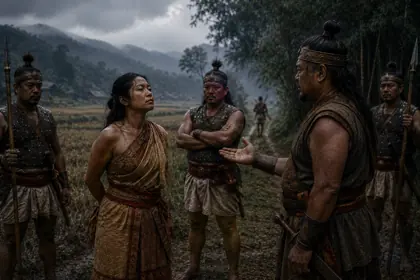
c. 1275
Diplomatic Negotiations with the Kachari King
c. 1275
Demarcation of the Dikhou River Boundary
c. 1277
Conspiracy of the Eastern Naga Clans
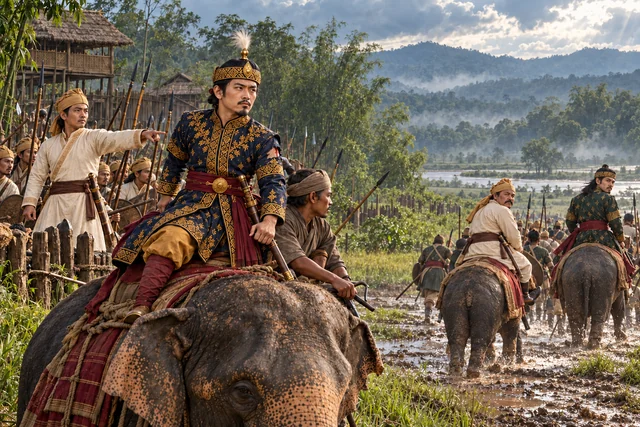
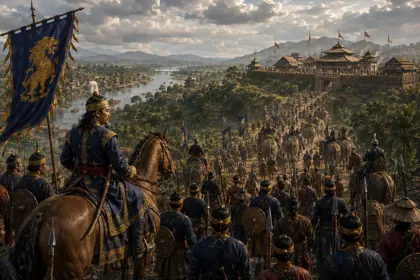
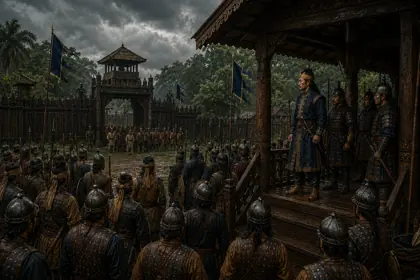
c. 1278
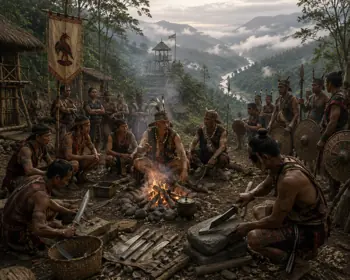
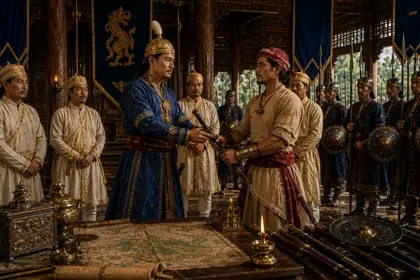
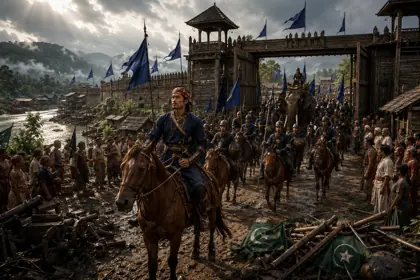
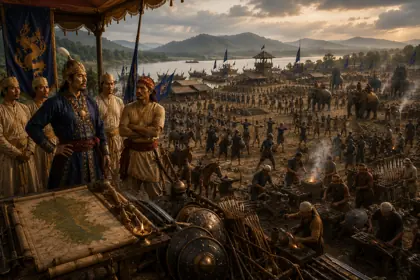
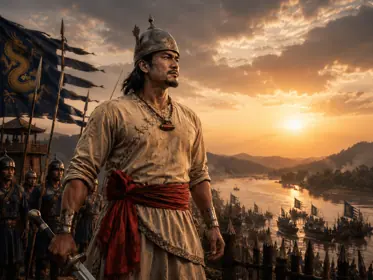
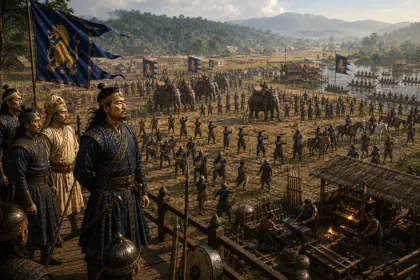
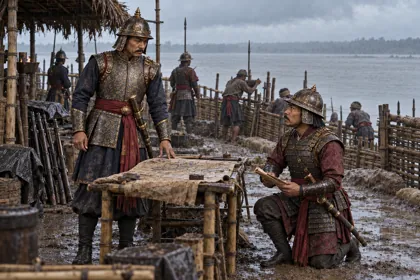
Suteuphaa Marshals the Royal Army
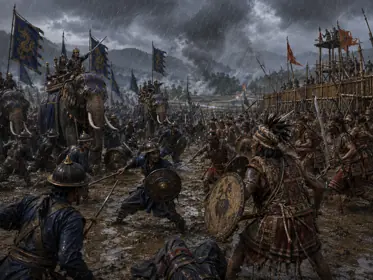
c. 1278
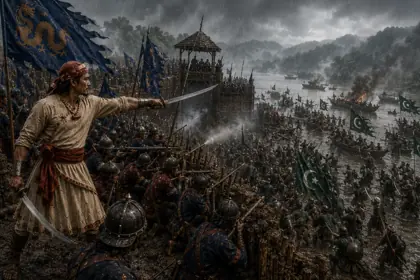
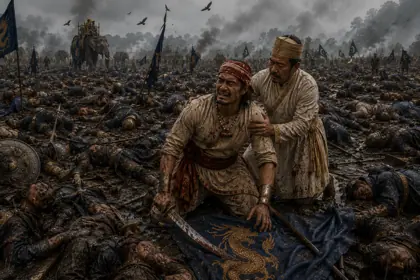
The Fierce Battle of the Naga Hills
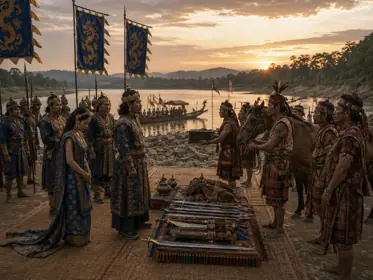
c. 1279
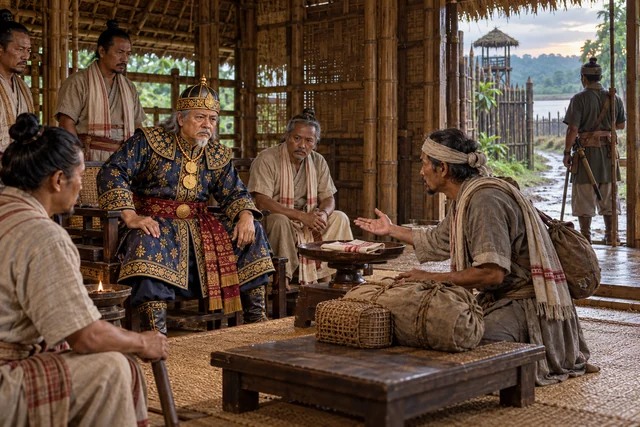
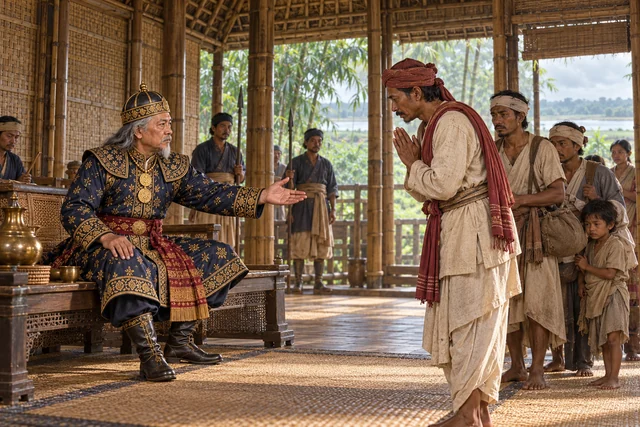
Naga Submission and Tribute Offering
c. 1280
Consolidation of the Dikhou Frontier
c. 1282
Administrative Division of the Realm
c. 1283
Dual Provincial Governance by Gohains
c. 1285
Large-scale Swamp Reclamation and Bunding
c. 1305
Frontier Battle with Kamata Forces
c. 1305
Outbreak of the First Ahom-Kamata War
c. 1306–1307
Military Stalemate in the Kamata Campaign
c. 1308
Ahom-Kamata Royal Matrimonial Treaty
c. 1310
Birth of Prince Chao Pulai
c. 1335
Chao Pulai's Revolt and Alliance with Kamata
c. 1338
Fraternal Reconciliation Between Sukhrangphaa and Chao Pulai
c. 1339
Appointment of Chao Pulai as Governor of Sadiya
1364–1369
Interregnum After the Death of Sukhrangphaa
1376
Safrai River Diplomatic Peace Summit
1376
Betrayal and Assassination of King Sutuphaa
1376–1380
First Ministerial Interregnum
1380–1387
Tyao Khamti's Failed Expedition Against the Chutias
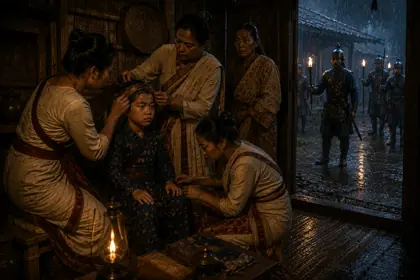
c. 1388
Banishment of the Pregnant Younger Queen
1388
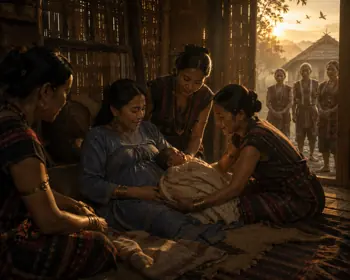
Birth of Prince Sudang in Habung Village
1389
Assassination of King Tyao Khamti
1389–1397
Second Ministerial Interregnum
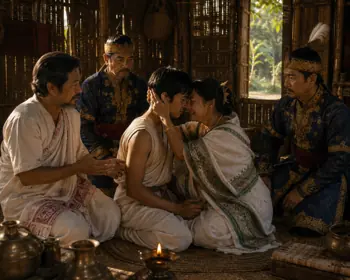
c. 1390–1397
Prince Sudang Raised in Brahmin Household
1396–1400
Kamata and the Ahoms Drive Back Azam Shah
1397
Sudangphaa Identity Confirmation
1397
Ministers Discover the Hidden Prince Sudang at Habung
1397
Triumphant Royal Return of Sudang to Charaideo
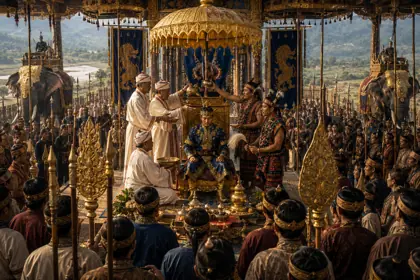
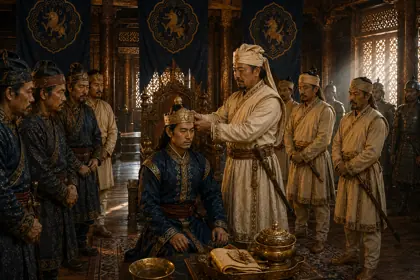
1397
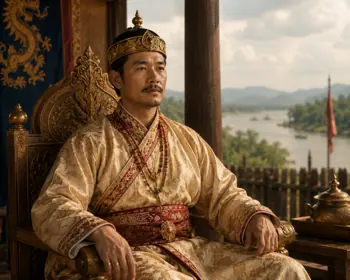
Coronation of Sudangphaa
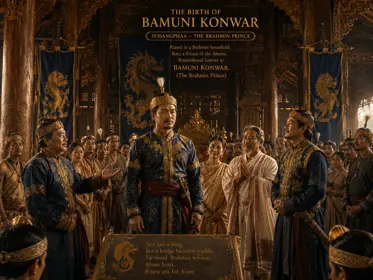
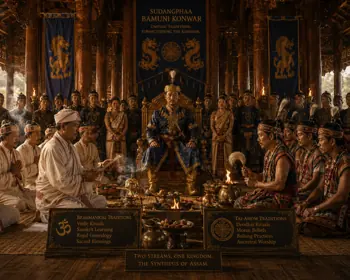
1397–1407
The Reign of Bamuni Konwar
c. 1398
Institution of the Singari-Gharutha Coronation
c. 1398–1400
The Feast Trap for the Tipam Conspirators
c. 1400
Harmonious Synthesis of Tai and Hindu Vedic Rituals
c. 1401
Matrimonial Alliance with Bhuyan Chieftains
c. 1401
Sudangphaa Repels the Mong Kawng Invasion
1401
Treaty of the Patkai Boundary at Nongnyang Lake
c. 1401–1407
Nangchukham Borgohain Marches on Kamata
c. 1403
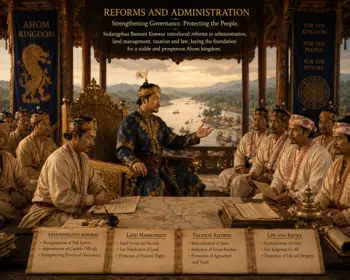
Administrative Centralization at Charagua
c. 1405
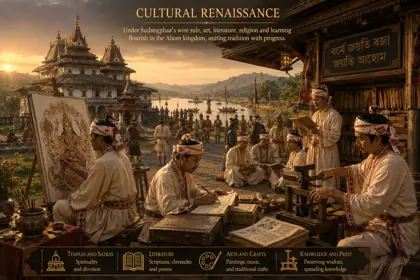
Cultural Renaissance and Literary Patronage
1407–1422
Peaceful Reign of Sujanphaa
1422–1439
Consolidation Under Suphakphaa
1439–1488
The Golden Forty-Nine-Year Peace of Susenphaa
c. 1460
Tangshu Naga Raids on Lowland Settlements
c. 1461
Susenphaa's Punitive Tangshu Campaign
c. 1462
Submission and Tribute of the Tangshu Chiefs
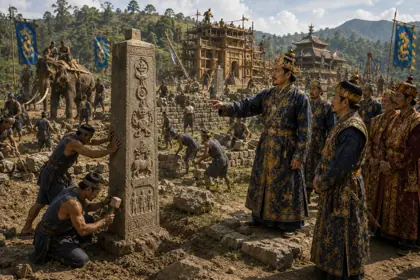
c. 1470
Erection of Charaideo Boundary Stones
1490
The Battle of Turung Against the Kacharis
1491
Peace Settlement with the Kacharis
1492
Tangshu Ambush of Borgohain Khenphung
1493
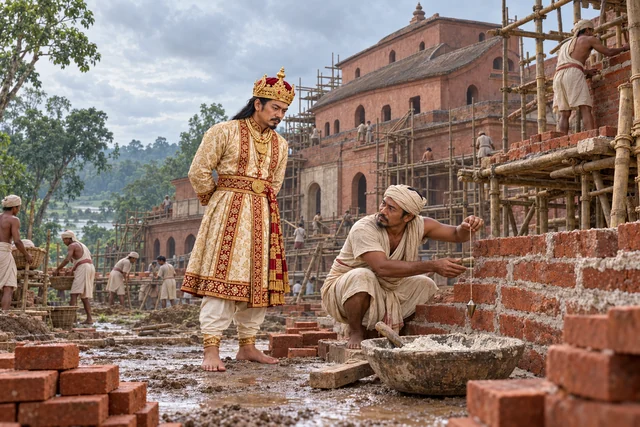
Suhenphaa's Inspection of Palace Works
1493
Assassination of King Suhenphaa
1493
Royal Inquest and Execution of Suhenphaa's Assassins
c. 1494
Supimphaa Exiles Pregnant Queen to the Nagas
c. 1495
Birth of Konseng in the Naga Foothills
c. 1505
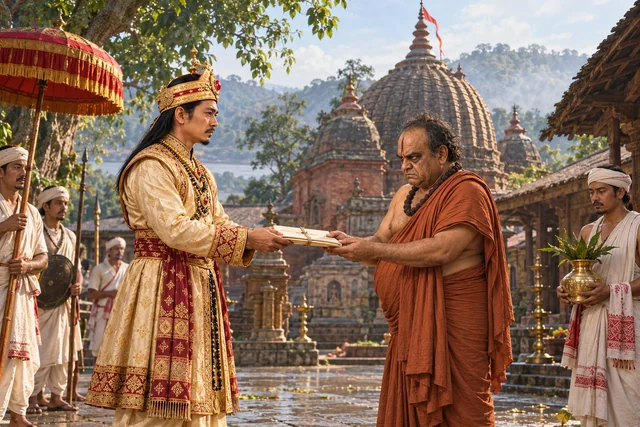
Konseng's Return and Presentation to King Suhungmung
c. 1506
Creation of the Office of Barpatragohain
c. 1510
Adoption of the Title Swarganarayan and Saka Calendar
1510
Suhungmung Orders the First Count of Fighting Men
1520
Ahom Vanguard Marches Against the Chutia Kingdom
1523
Annexation of the Chutia Kingdom
c. 1527
Konseng Fortifies the Western Border
1527–1531
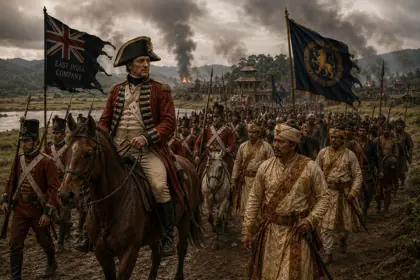
Repulse of Early Bengal Sultanate Invasions
1526–1531
Ahoms Pursue the Kachari King to Dimapur
c. 1532
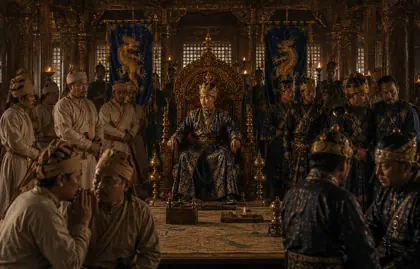
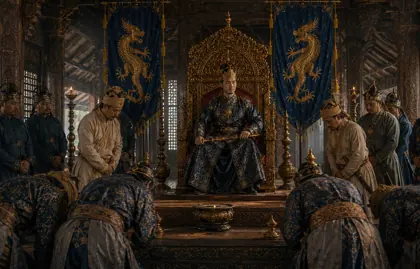
Foreign Captives Brought Before the Ahom Golden Throne
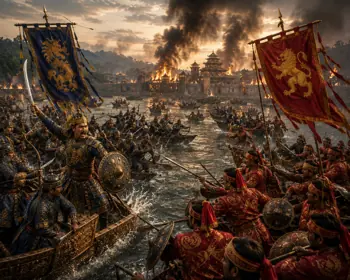
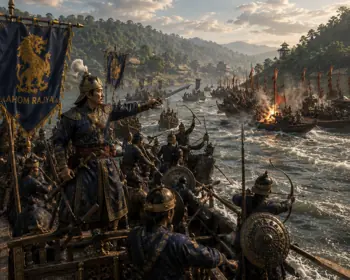
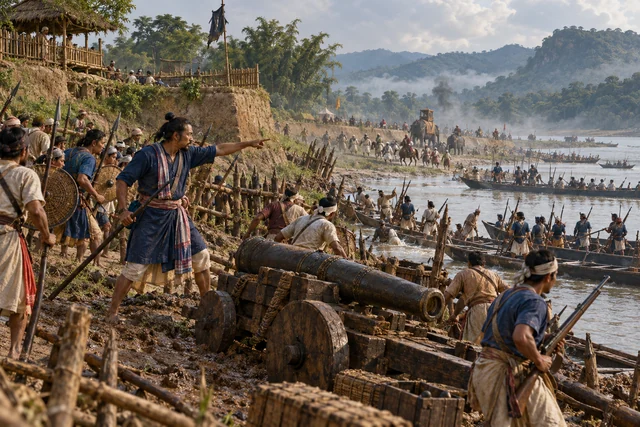
c. 1532
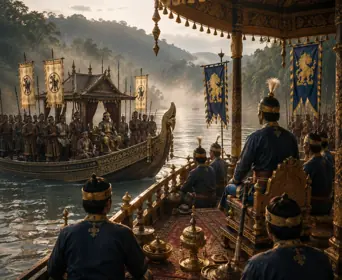
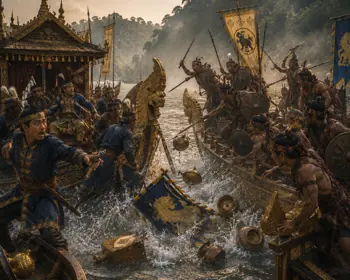
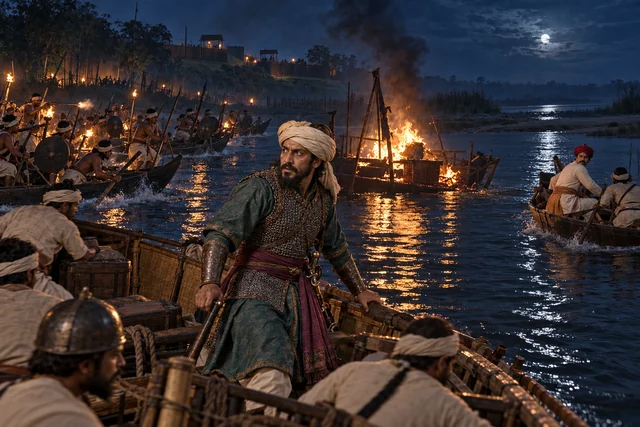
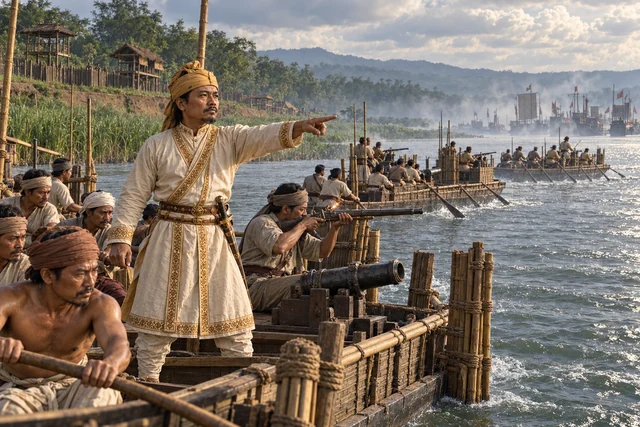
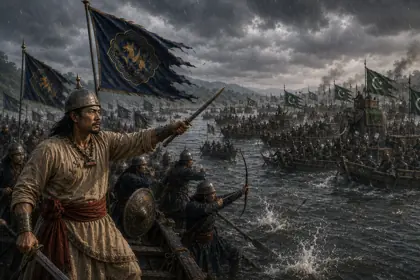
Ahom Naval Flotilla River Engagement
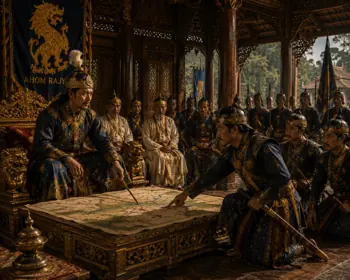
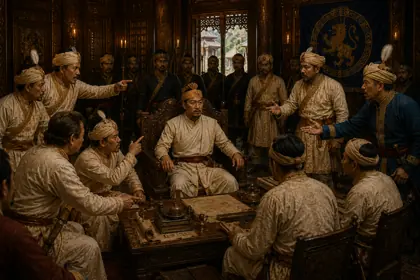
c. 1532
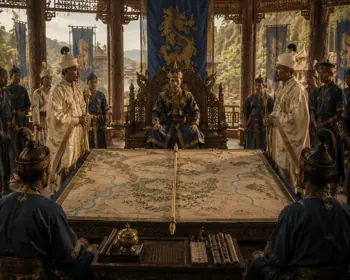
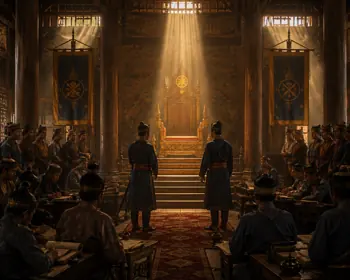
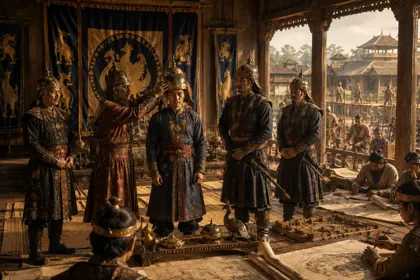
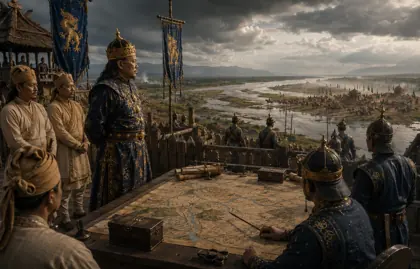
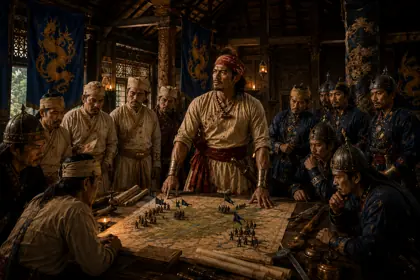
Strategic War Council in the Royal Chamber
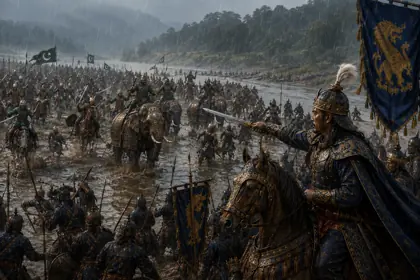
1532
The Great Invasion of Commander Turbak
1532–1533
Decisive Victory Over Turbak and Pursuit to Karatoya
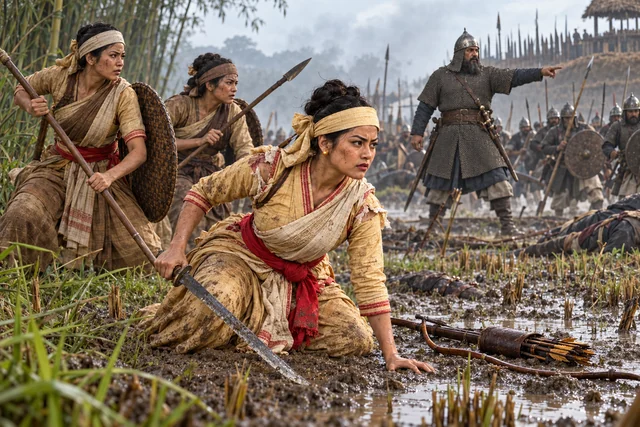
1532–1533
Mula Gabharu Falls Fighting Turbak
c. 1536
Sack of Dimapur and the End of Detsung
1539
Accession of Suklenmung
January 1539
Assassination of Suhungmung
1540–1546
Construction of Fortified Capital Garhgaon and Naga Ali
c. 1540s
Execution of Hari and Sankardeva Leaves the Ahom Kingdom
1546–1547
Battle of Pichala Against Koch Forces
c. 1548
Solemn Celebration of the Rikkhvan Ceremony
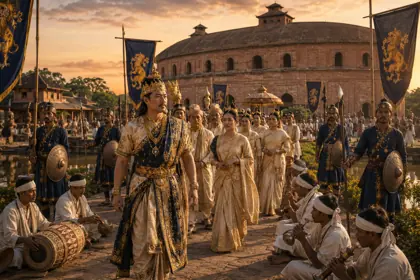
c. 1555
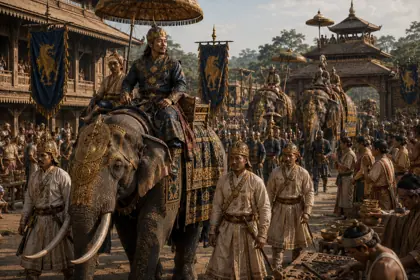
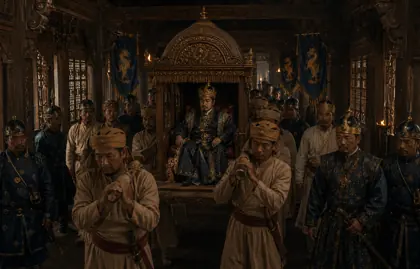
Royal Procession of King Sukhaamphaa
1562–1563
Chilarai's Invasion of Garhgaon
1563
The Treaty of Majuli
1565–1603
The Long Peace and Cultural Growth Under Khora Raja
c. 1532
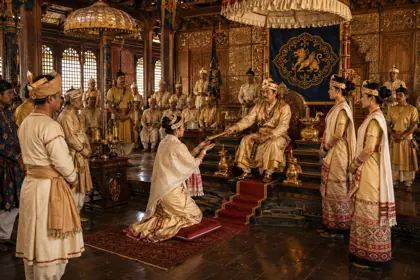
The Swarganarayan Invests the Royal Commander
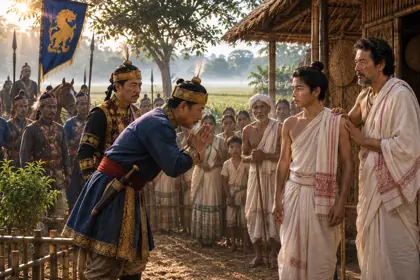
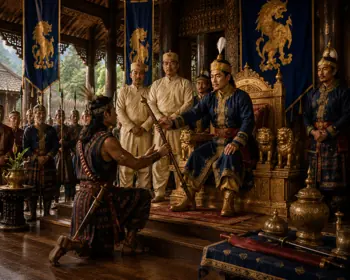
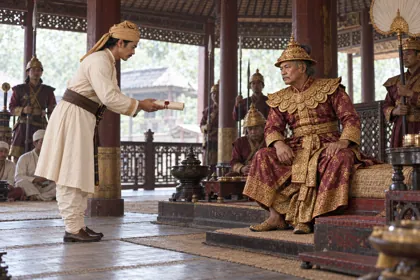
c. 1532
Ahom Commander Kneels in Fealty Before the King
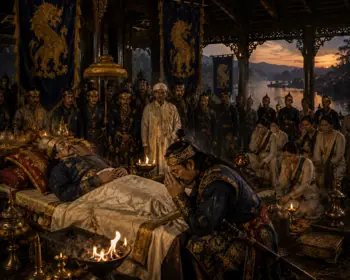
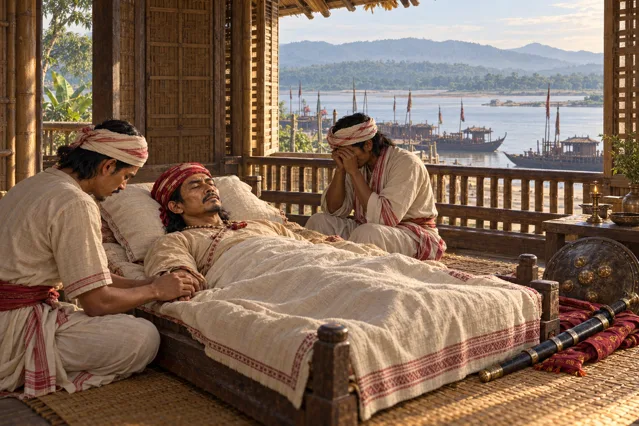
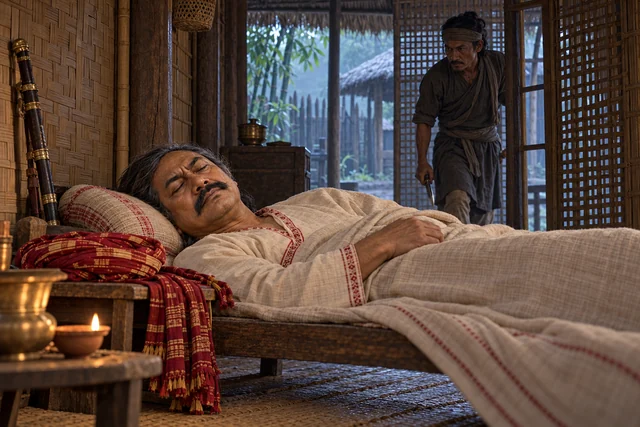
c. 16th–17th Century
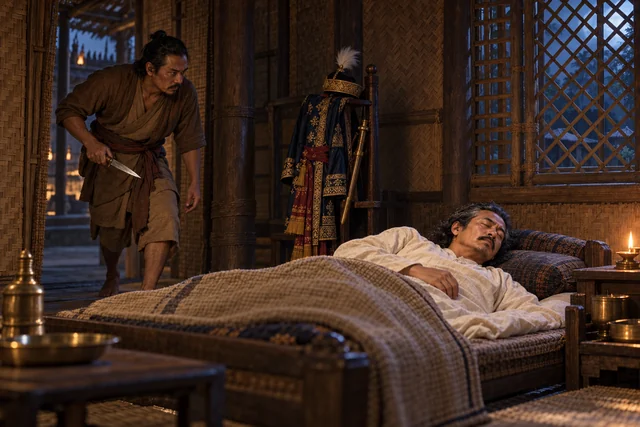
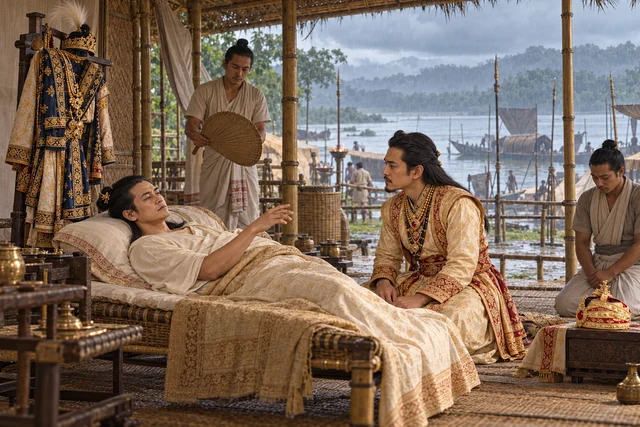
Solemn Vigil at the Royal Deathbed
1603
Accession of Susenghphaa (Pratap Singha)
c. 1608–1615
Reorganization of the Paik System by Momai Tamuli Barbarua
1608
Pratap Singha Marries the Koch Princess Mangaldoi
early 17th century
The Jaintia Bride and the Kachari War
1613–1615
Balinarayan Takes Refuge at the Ahom Court
c. 1615
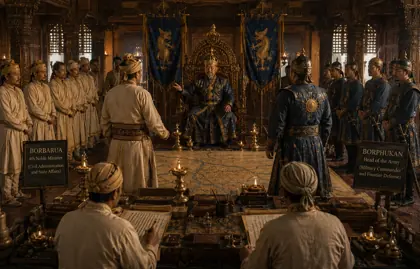
Institution of the Offices of Borbarua and Borphukan
1615–1616
Night Attack at Samdhara: Abu Bakr's Fleet Destroyed
1636–1638
The Mughal War of 1636–1638
1639
Treaty of Asurar Ali and Western Defense Line
1641–1644
Tyranny and Court Intrigue Under Suramphaa
1644
Deposition and Poisoning of Suramphaa
1644–1648
The Frail Reign of Sutingphaa
1648
Prince Sutamla Organizes Court Loyalists
1648
Coronation of Jayadhwaj Singha
c. 1650
Adoption of Hindu Rituals in Sutamla's Court
c. 1654–1663
Royal Initiation into Ekasarana Dharma
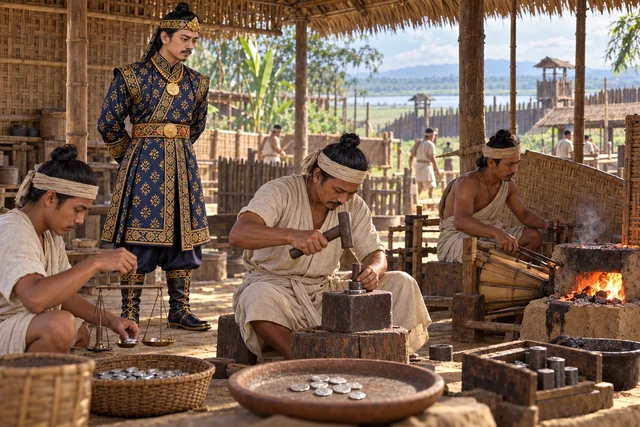
1648–1663
The First Ahom Coins Are Struck
1658–1659
Jayadhwaj Singha Takes Guwahati
c. 1660
Royal Naam-Prasanga and Satra Endowments
1662
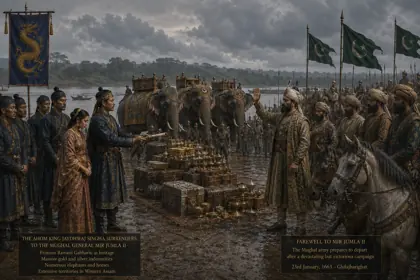
Mir Jumla's Imperial Mughal Invasion
March 1662
Mughal Capture of Capital Garhgaon
June–October 1662
The Monsoon Counter-War of Namrup
January 1663
The Treaty of Ghilajharighat
1663
Departure of Princess Ramani Gabharu to Delhi
1663
King Jayadhwaj Singha's Vow of Liberation
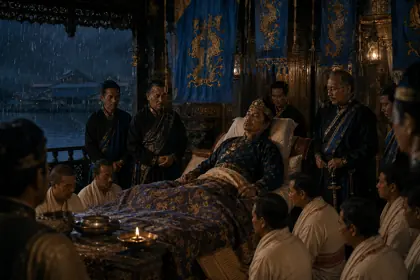
November 1663
Deathbed of King Jayadhwaj Singha
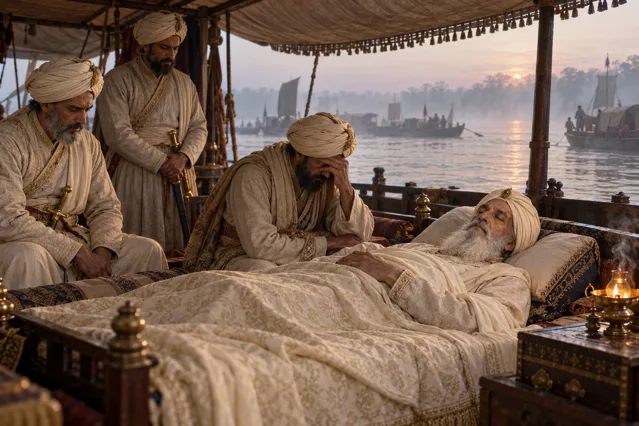
March 1663
Death of Mir Jumla on the Return March
1667
Chakradhwaj Singha's Oath of Resistance
1667
Lachit Tested and Appointed Supreme Commander
November 1667
Lachit Borphukan Liberates Guwahati
1667
Recapture of the Strategic Fort of Itakhuli
August 1669
The Tragic Battle of Alaboi
1669–1670
Total Military Reorganization After Alaboi
1670
War Council of Udayaditya Singha and Lachit Borphukan
1671
Fortification of Saraighat and Execution of the Negligent Uncle
March 1671
Lachit Rallies Retreating Troops from His Sickbed
March 1671
The Epic Naval Battle of Saraighat
1671–1672
The Expedition Against the Daflas
1671
Portrait of Lachit Borphukan
April 1672
Death of Lachit Borphukan at Kaliabor
1672–1675
Rise of Debera Borbarua's Palace Reign of Terror
November 1672
Palace Coup Against Udayaditya Singha
1675
Debera Borbarua Installs and Murders the Samaguria Raja
1675
Gobar Raja Crowned as Debera's Puppet
1675
Atan Burhagohain Captures Garhgaon and Executes Debera and Gobar
1675
Installation of Sujinphaa by Atan Burhagohain
1676
Court Suspicion and Rift Between King and Premier
1677
The Royal Army Deserts Sujinphaa
1677
Deposition and Tragic End of Sujinphaa
1677
Accession and Court of Sudoiphaa Paratiya Raja
February 1679
Treason of Laluk Sola: Surrender of Guwahati to the Mughals
1679–1680
Prince Gadapani Escapes into the Hills in Disguise
1679
Installation of the Teenaged Boy-King Sulikphaa
1679–1680
The Great Purge and Mutilation of Royal Princes
1680
Martyrdom of Princess Joymoti Konwari
1680
Murder of Laluk Sola Borphukan
1680
Gadapani Watches Joymoti at Jerenga Pathar
1681–1682
Gadadhar Singha Takes the Throne and Marshals the Army
August 1682
Battle of Itakhuli: The Mughals Driven to the Manas
c. 1685
Imperial Conference with Vaishnava Satradhikars
c. 1688
Royal Visitation to the Satra Naamghar
c. 1690s
Gadadhar Singha's Persecution of the Satras
1696
Coronation of Rudra Singha (Sukhrungphaa)
1698–1705
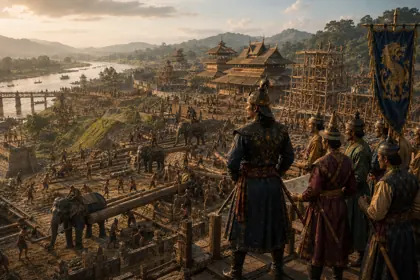
Founding and Construction of Capital City Rangpur and Joysagar
1703
Rangnath Dol and the Namdang Stone Bridge
c. 1705
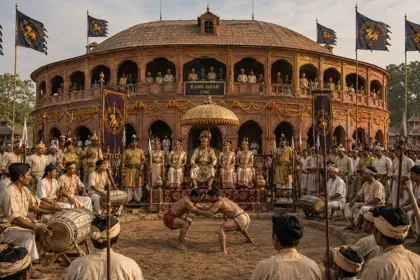
King Rudra Singha Inaugurates Royal Festivities at Rang Ghar
1706–1707
Subjugation and Vassalage of the Kachari and Jaintia Rulers
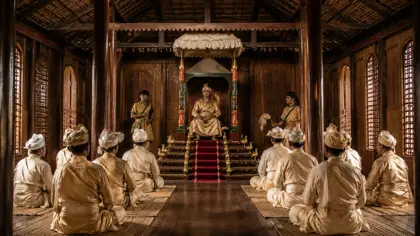
c. 1710
Grand Durbar and the Seven-Tiered Singhason at Rangpur
1713
Rudra Singha Plans the Invasion of Bengal
27 August 1714
Death of Rudra Singha at the Guwahati Camp
c. 1714–1720s
Krishnaram Bhattacharya Becomes the Parbatiya Gosain
1722
Transfer of Royal Power to Queen Phuleswari (Bar Raja)
c. 1725
Excavation of Gaurisagar Tank and Temples
c. 1730
Queen Phuleswari's Persecution of Moamoria Vaishnavas
1734
Construction of Sivasagar Tank (Bor Pukhuri) and Shiva Dol
1734
Painting of the Hastividyarnava
c. 1735–1740
The Great Cadastral Land Survey (Pek-Kakar)
1739
Sarbeswari Becomes the Third Bar Raja
1744
Construction and Dedication of the Masonry Rang Ghar
c. 1746
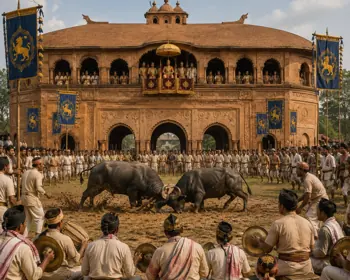
Royal Buffalo Fights on Rupahi Pathar
c. 1748
Royal Court Assembly at the Rang Ghar Pavilion
1751–1765
Expansion of the Grand Talatal Ghar Palace
1751
Kirti Chandra Borbarua Crowns Rajeswar Singha
1752
Rebuilding the Kareng Ghar at Garhgaon
c. 1750s–1760s
The Burning of the Buranjis
1765–1768
Lata-Katai Ran: The Mountain Expedition to Manipur
1768
Royal Wedding of Rajeswar Singha and Princess Kuranganayani
1769
Outbreak of the First Moamoria Rebellion
November 1769
Captivity and Imprisonment of King Lakshmi Singha
April 1770 (Bihu Eve)
Queen Kuranganayani's Daring Counter-Coup
1770–1772
Royal Retribution and Repression of Moamoria Rebels
April 1782
The Bihu Ambush on Gaurinath Singha
1786–1788
Second Moamoria Rebellion: Fall and Burning of Rangpur
1786
Harihar Tanti's Rising and the Burning of the Majuli Satras
1788
Flight of King Gaurinath Singha Down the Brahmaputra
c. 1791
Bharat Singha Crowned at Rangpur
1791
Sarbananda Singha's Capital at Bengmara
1792–1794
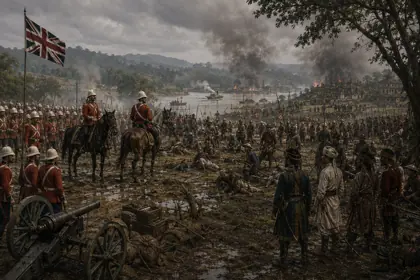
British Military Intervention: Captain Thomas Welsh Expedition
February 1793
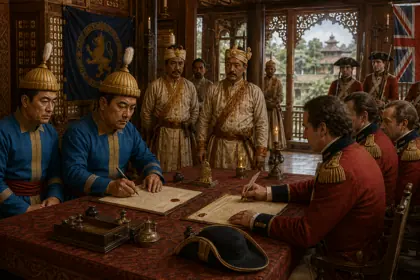
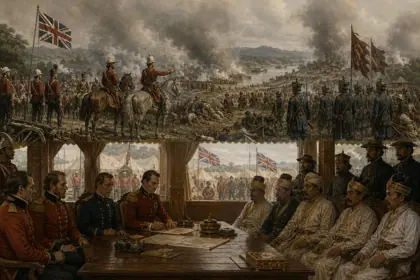
The Ahom-British Commercial Treaty of 1793
1794
The Capital Moves from Rangpur to Jorhat
1795–1811
The Autocratic Regency of Premier Purnananda Burhagohain
1805
Matak Autonomy: Sarbananda Made Barsenapati
1814–1816
Deadly Court Factionalism Between Burhagohain and Borphukan
1815–1816
Badan Chandra Borphukan Goes to the Court of Ava
March 1817
The First Burmese Invasion (Manor Din Begins)
August 1817
Assassination of Traitor Badan Chandra Borphukan
February 1818
Deposition of Chandrakanta and Accession of Purandar Singha
February 1819
Second Burmese Invasion and Flight of Purandar Singha
1819
Restoration of Chandrakanta Singha as Burmese Puppet
1821
Chandrakanta's Resistance and Flight from Burmese Reign of Terror
1821–1824
Burmese Atrocities (Manor Din) Under Puppet Jogeswar Singha
October–December 1821
Chandrakanta Retakes Guwahati
March–April 1822
Chandrakanta's Last Stand at Mahgarh
June–July 1822
Defeat at Hadira Chowki; Tilwa Proclaimed Raja of Assam
1824–1826
Outbreak of the First Anglo-Burmese War in Assam
1824–1825
Expulsion of the Burmese from Upper Assam
24 February 1826
Signing of the Historic Treaty of Yandabo
1828
Gomdhar Konwar's Revolt
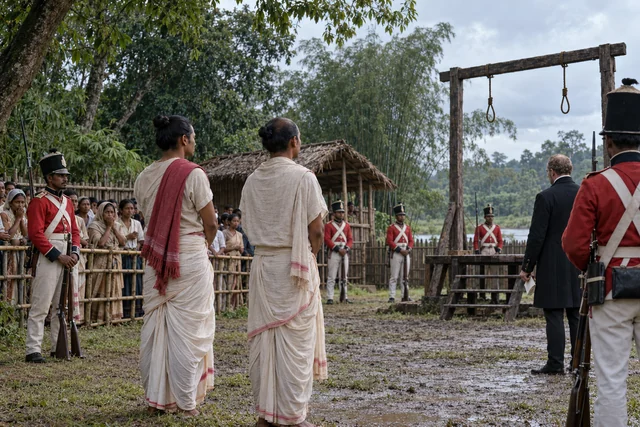
1830
Piyali Phukan and Jiuram Dulia Baruah Hanged
April 1833
Restoration of Purandar Singha as Protected Tributary Ruler
1834–1837
Crushing Tax Demands on War-Devastated Population
October 1838